


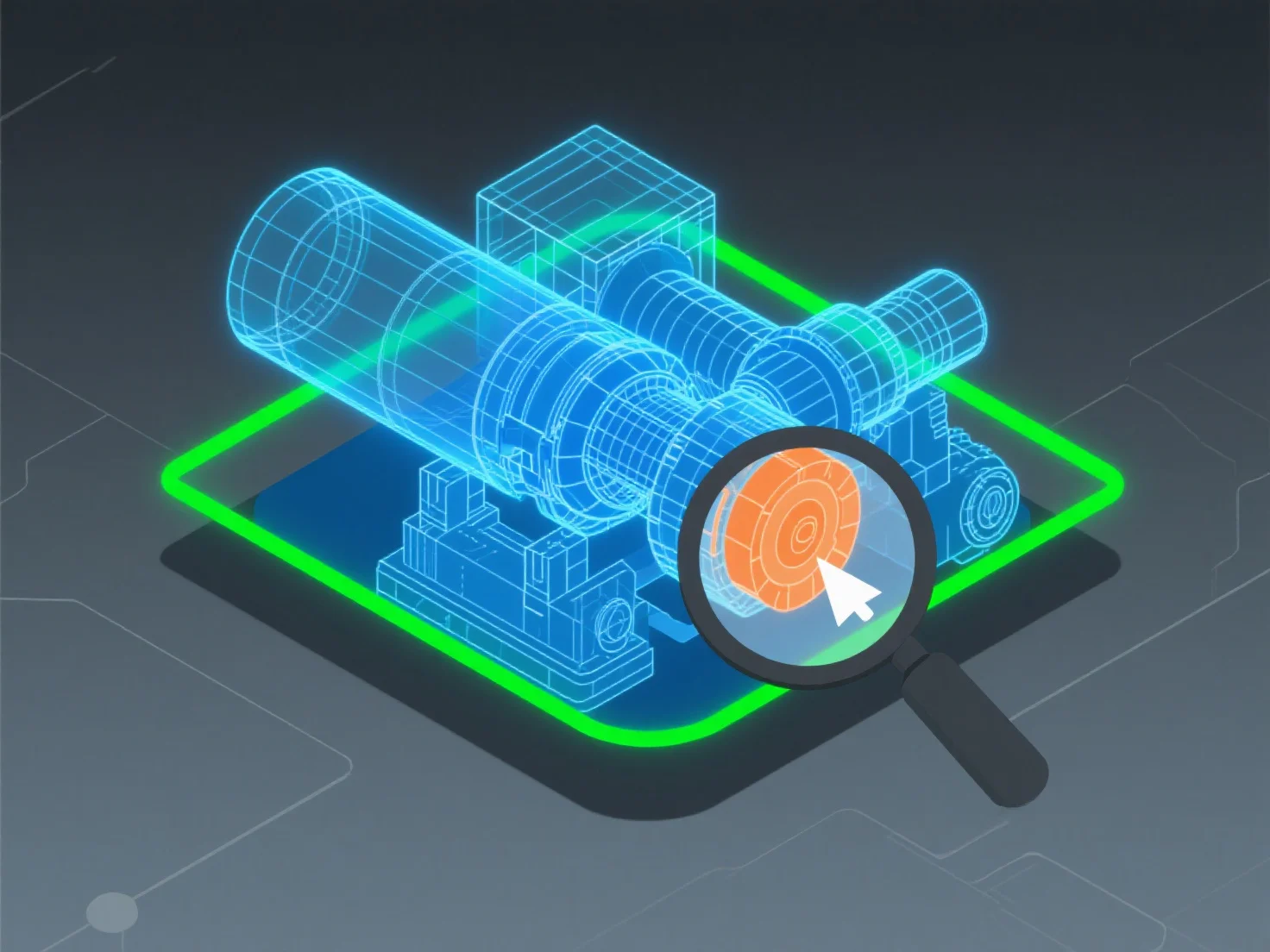
3D modeling helps identify and solve design inefficiencies by creating detailed virtual representations, enabling early detection of issues like component clashes, structural weaknesses, or resource waste, and allowing cost-effective iterations without physical prototypes.
Key applications across industries include: - Manufacturing: Simulates assembly processes to spot part misalignments, reducing production delays and rework. - Architecture: Visualizes spatial layouts to uncover wasted space or over-engineering, optimizing material use and functionality. - Product Design: Tests ergonomics and functionality virtually, identifying usability flaws before physical prototyping.
By enabling early visualization and iteration, 3D modeling minimizes design errors, cuts development time, and enhances overall efficiency.