


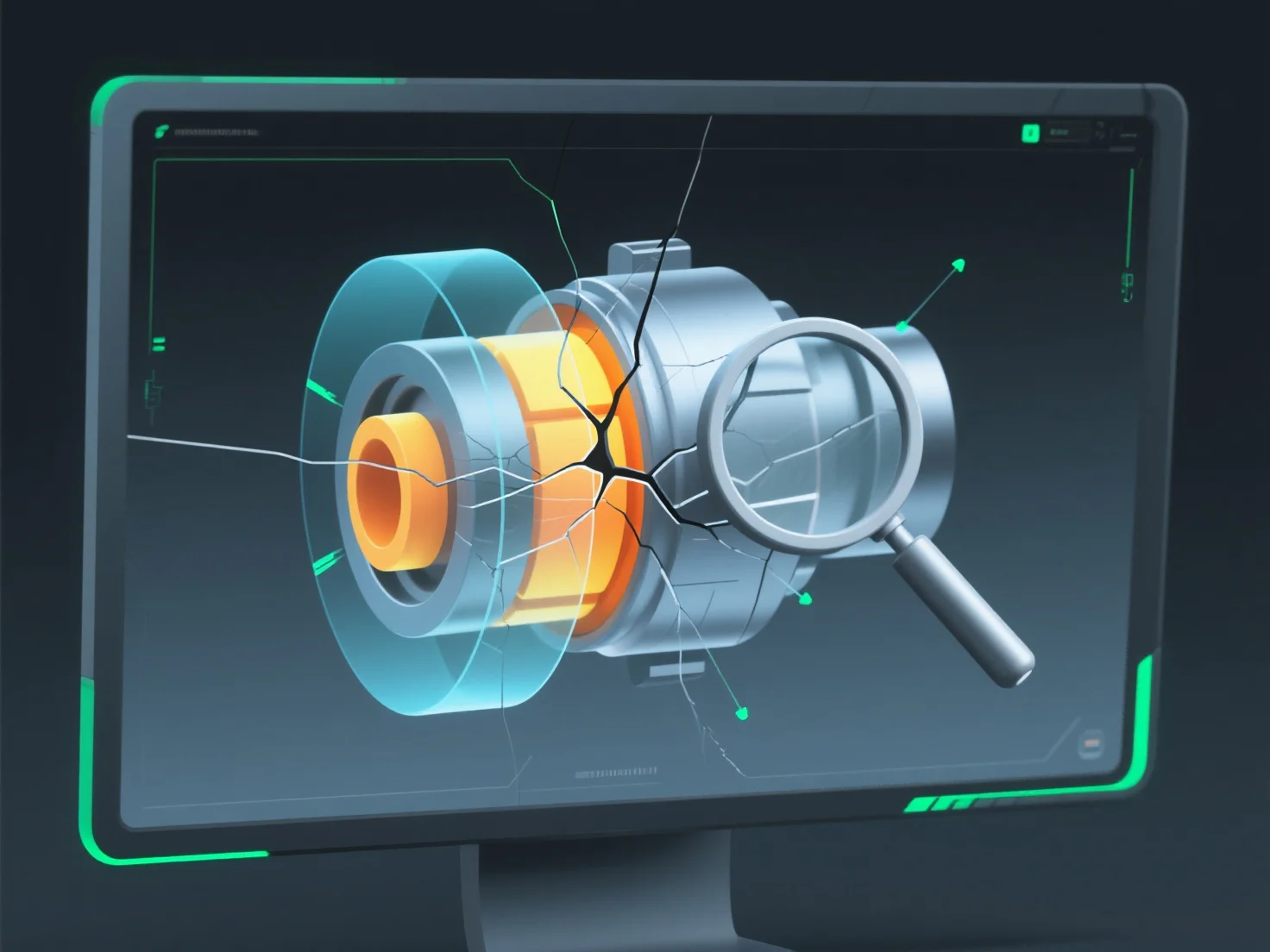
3D modeling helps evaluate material durability in design projects by simulating real-world stress conditions and analyzing structural responses, enabling efficient prediction of material performance without physical testing.
Key ways it supports evaluation include: - **Simulates real-world forces**: Replicates stressors like pressure, temperature, or wear to test how materials withstand daily use. - **Predicts failure modes**: Identifies potential issues (e.g., fatigue, cracking, deformation) early, before physical prototypes. - **Saves resources**: Reduces reliance on costly physical testing, allowing design adjustments in virtual stages to ensure durability.
This approach streamlines design, ensuring materials meet durability needs efficiently, cutting time and costs.