


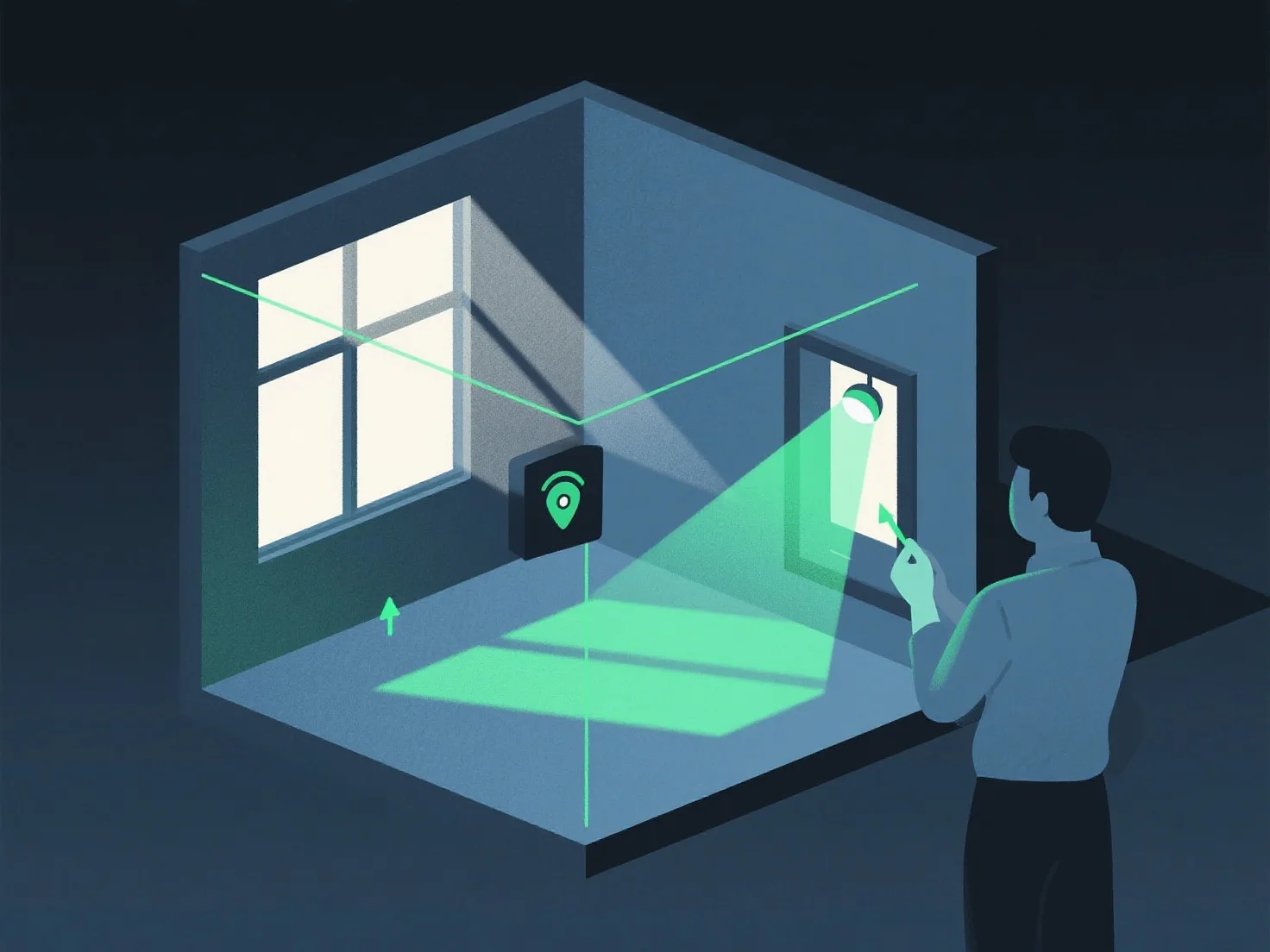
3D modeling helps designers solve lighting issues by simulating and visualizing light behavior in virtual environments, enabling pre-physical testing of light sources, materials, and spatial layouts to optimize effects and reduce errors.
Key benefits include: - **Accurate light source simulation**: It mimics natural sunlight (angle, intensity) and artificial fixtures (LEDs, spotlights), showing interactions with surfaces (e.g., reflective vs. matte) to predict brightness, shadows, or glare. - **Spatial layout testing**: Designers adjust room dimensions, furniture, or window sizes virtually to see light distribution, avoiding real-world trial-and-error. - **Early optimization**: Previewing results lets them refine intensity, color temperature, or fixture positions to meet goals (e.g., warm ambience, task lighting) before installation, cutting rework costs.
This pre-visualization ensures lighting solutions are functional and aesthetically effective from the start.