


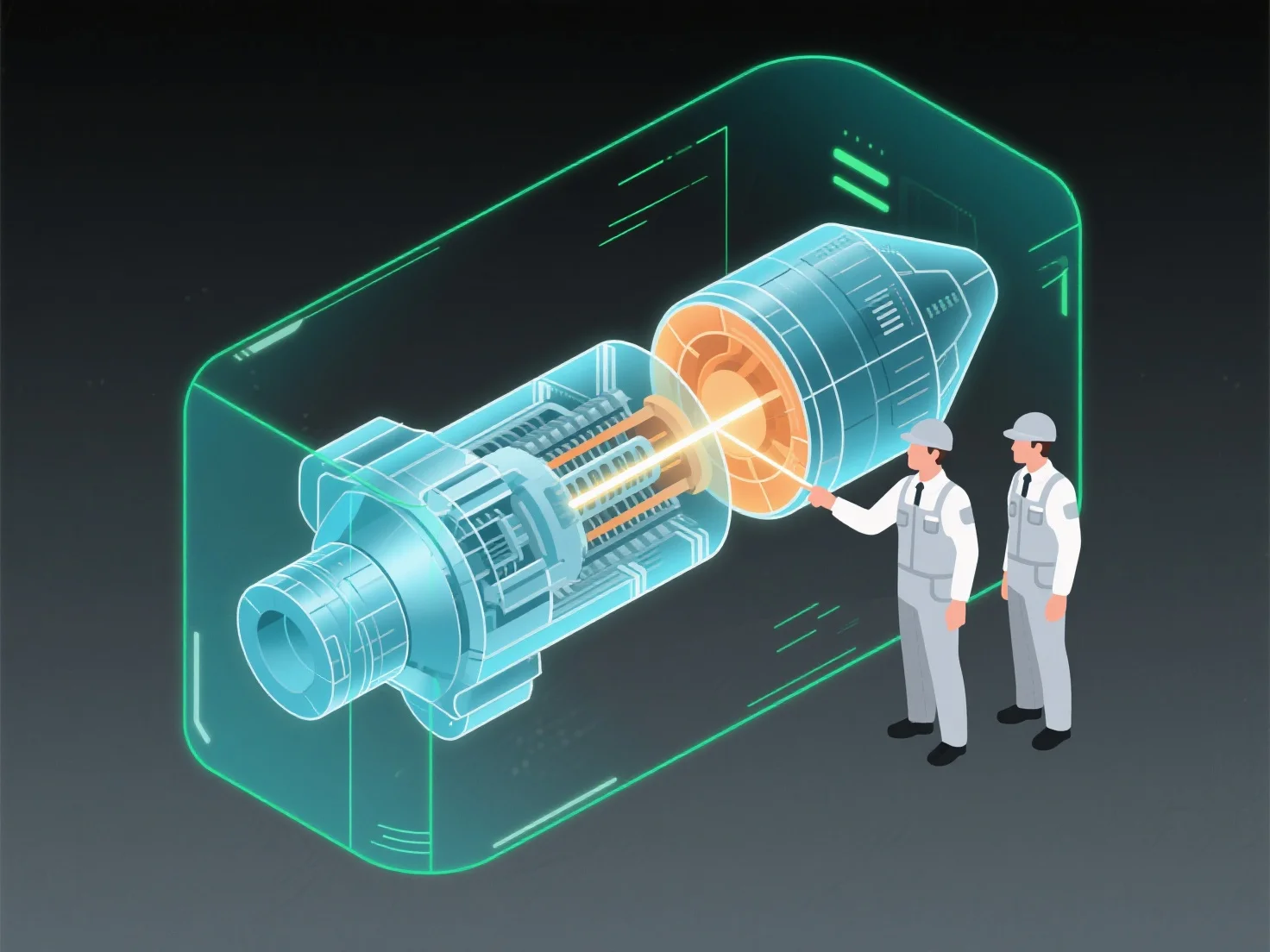
3D modeling enhances problem-solving in aerospace engineering by enabling precise design visualization, iterative testing, and risk mitigation before physical prototyping, streamlining development and improving system reliability.
- **Precise visualization**: Allows engineers to identify structural flaws (e.g., weak joints in aircraft frames) early, avoiding costly late-stage errors by making issues visible in detailed 3D renders. - **Iterative testing**: Facilitates quick design adjustments (e.g., optimizing wing shapes for aerodynamic efficiency) without physical prototypes, accelerating problem resolution. - **Risk reduction**: Integrates with simulation tools to predict material behavior under extreme conditions (e.g., rocket engine heat or high-altitude pressure), preventing potential flight failures.
By combining these capabilities, 3D modeling reduces development time, cuts costs, and ensures aerospace systems meet safety and performance standards.