


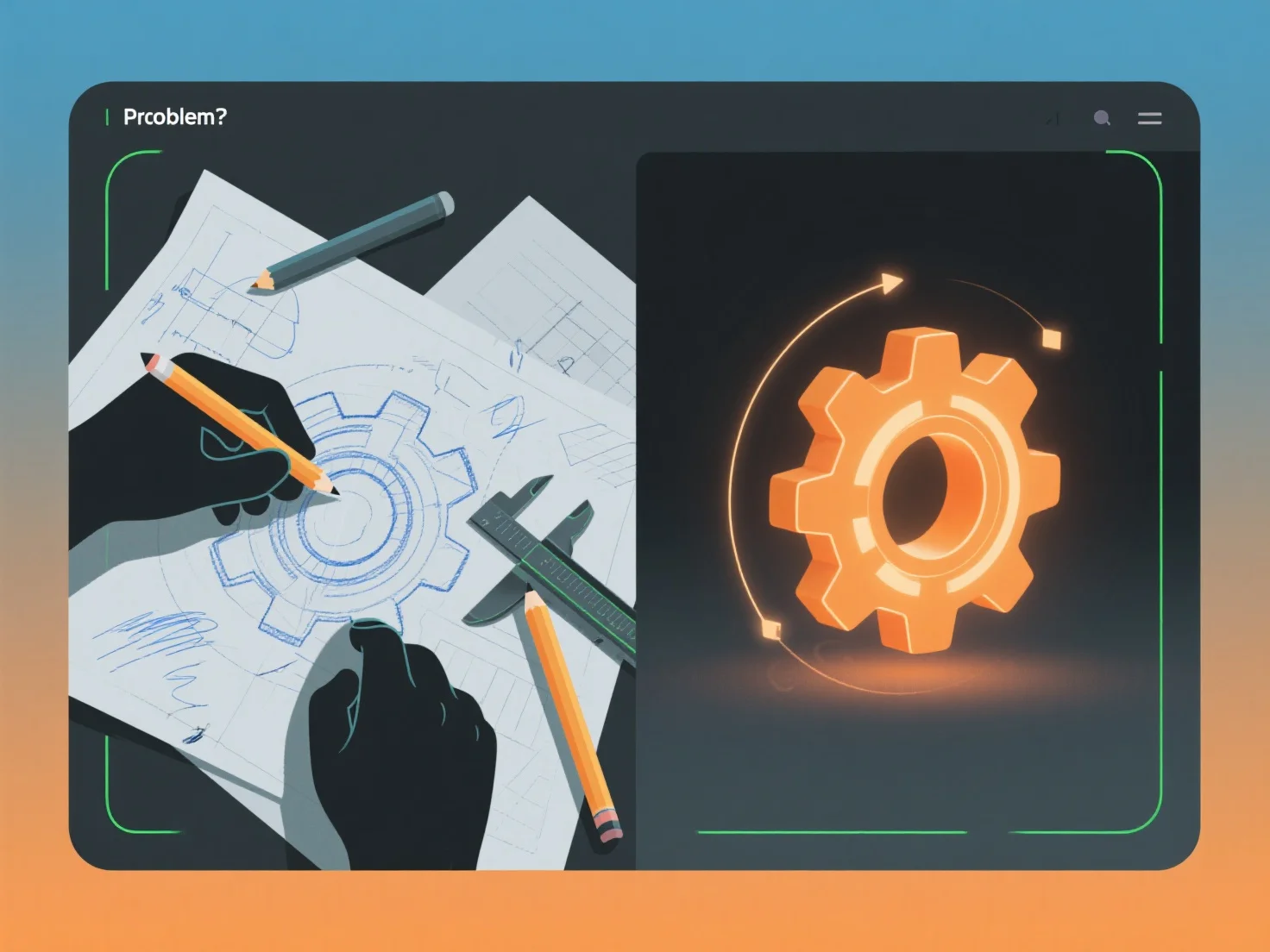
3D modeling solves problems in custom-designed product creation by enabling precise pre-production visualization, iterative adjustments, and early flaw detection, reducing reliance on costly physical prototypes.
- **Precise visualization**: It lets designers see products in 3D, ensuring they fit spaces (e.g., custom furniture) or match specific requirements (e.g., medical devices tailored to patient anatomy). - **Iterative design**: Easy digital tweaks allow quick refinements, avoiding the time and expense of reworking physical models. - **Early flaw detection**: Simulates functionality to spot structural or compatibility issues (e.g., automotive aftermarket parts fitting specific models) before manufacturing.
Overall, it bridges design intent and physical results, minimizing errors and streamlining custom product development.