Home/Hitem3D FAQ/How do you handle texture atlases for optimized texture mapping?

How do you handle texture atlases for optimized texture mapping?

Handle texture atlases by efficient packing, consolidating small textures, aligning UVs, and using tools to reduce draw calls and enhance performance.

How do you handle texture atlases for optimized texture mapping?

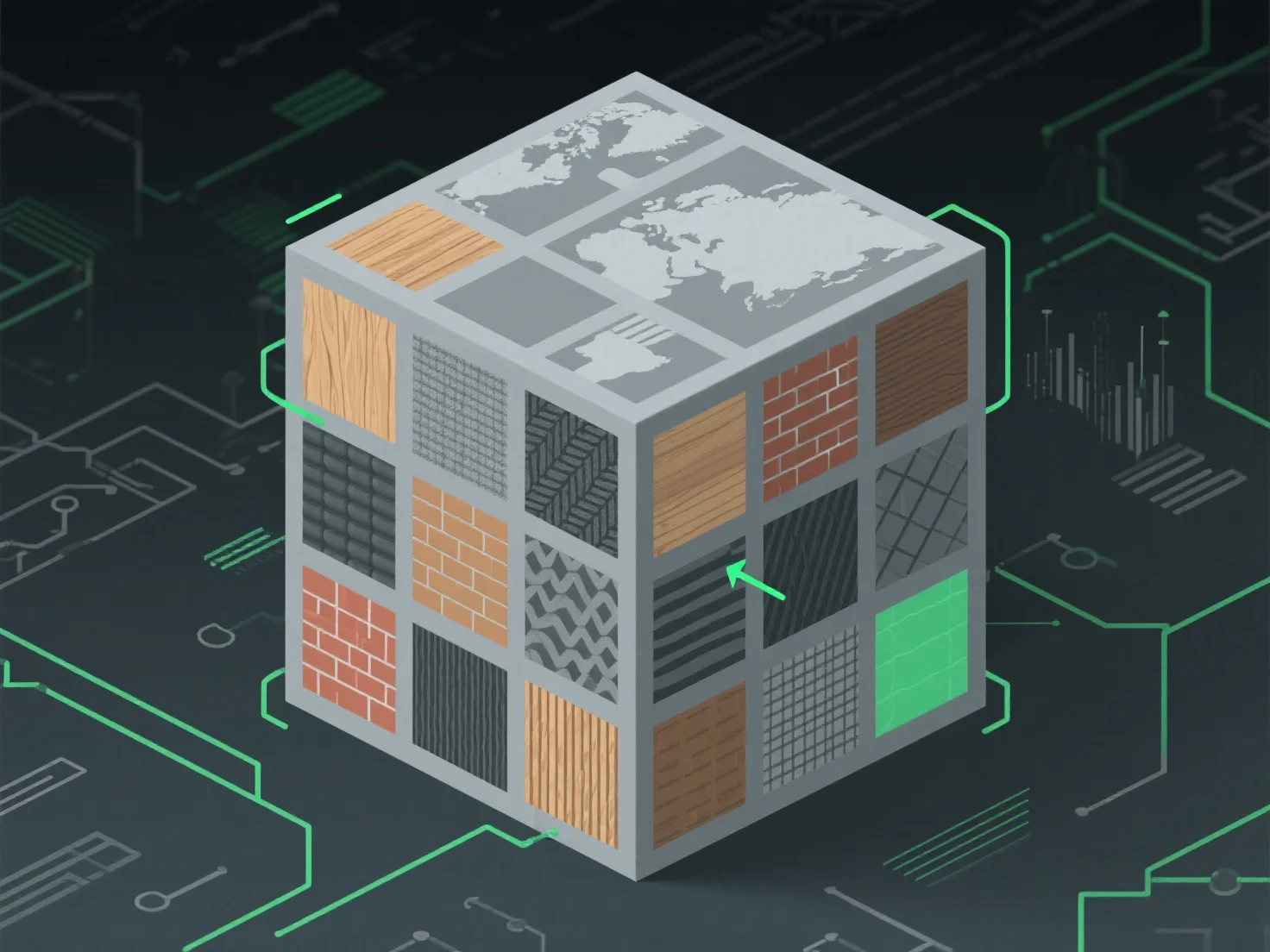
To handle texture atlases for optimized texture mapping, focus on efficient packing to minimize unused space and reduce draw calls, achieved by consolidating small textures into a single atlas, aligning UV coordinates for accurate model surface mapping, and ensuring seamless transitions between regions to avoid visual artifacts.

Key applications across industries: - Game Development: Lowers GPU workload by reducing texture swaps during rendering. - Real-Time 3D (AR/VR): Enhances performance by streamlining texture data access.

For varied texture sizes, use automated packing tools with padding to prevent bleeding and maintain visual quality.

PreviousNext
Product
Web Studio
API Platform
Features
Image to 3D
Multi-view to 3D
Relief
Segmentation
Models
General Model
Portrait Model
Resource
Blog
FAQ
API Docs
About us
Pricing