


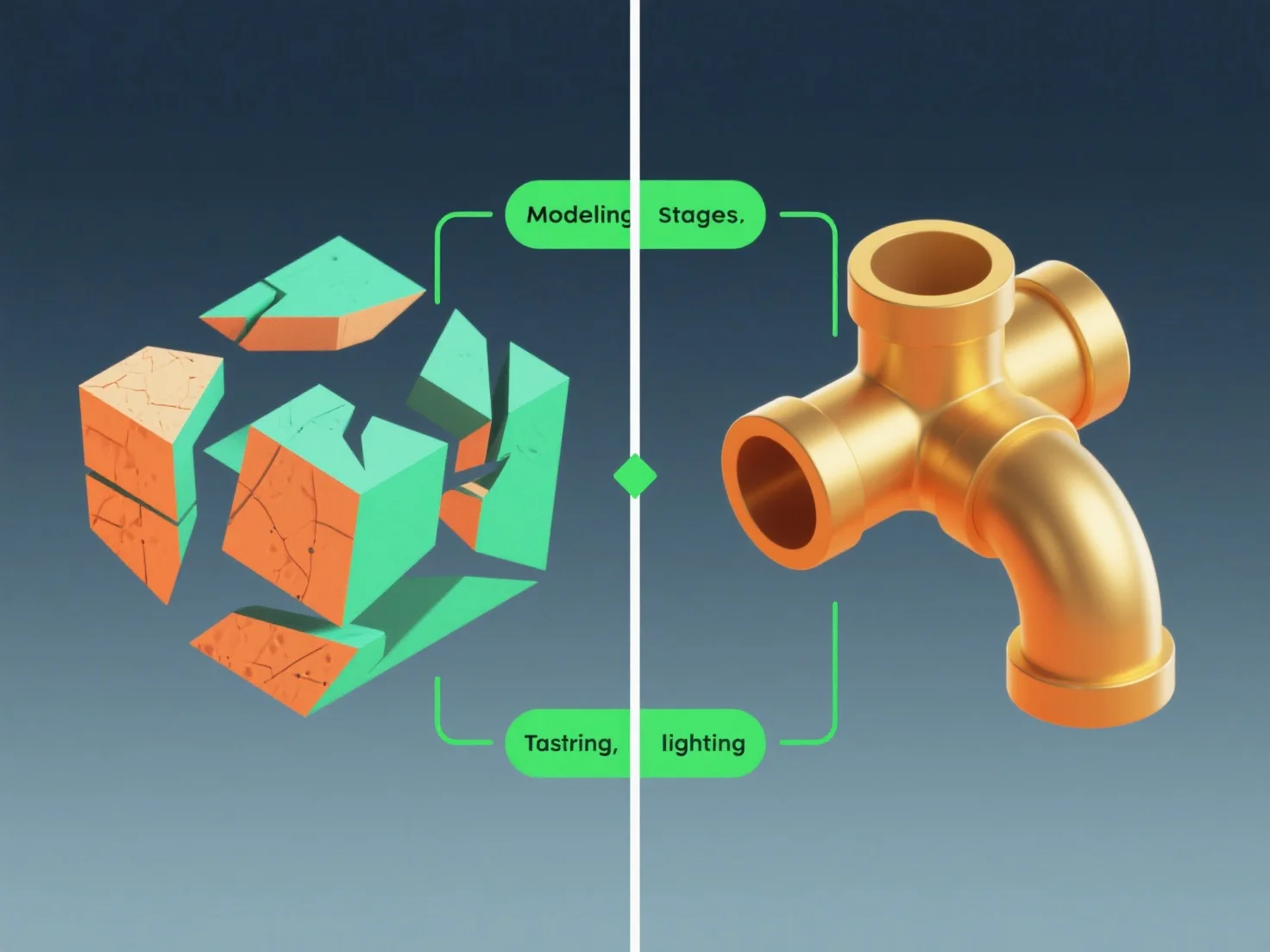
Rendering pipelines influence 3D visual consistency by standardizing the step-by-step process from 3D model data to final 2D images, ensuring uniform application of visual elements across scenes or objects.
- **Structured Processing Stages**: Pipelines break rendering into fixed steps (e.g., geometry transformation, lighting calculation, rasterization), each following strict rules to avoid arbitrary data interpretation. - **Consistent Visual Element Handling**: They enforce uniform application of lighting, shading, and texturing. For example, identical lighting algorithms ensure consistent brightness and color interactions across objects. - **Minimized Discrepancies**: By unifying logic, pipelines reduce inconsistencies like color shifts, detail loss, or shadow mismatches that arise from unstructured rendering.
In summary, rendering pipelines maintain 3D visual consistency through standardized stages and uniform rules, delivering cohesive and predictable imagery.