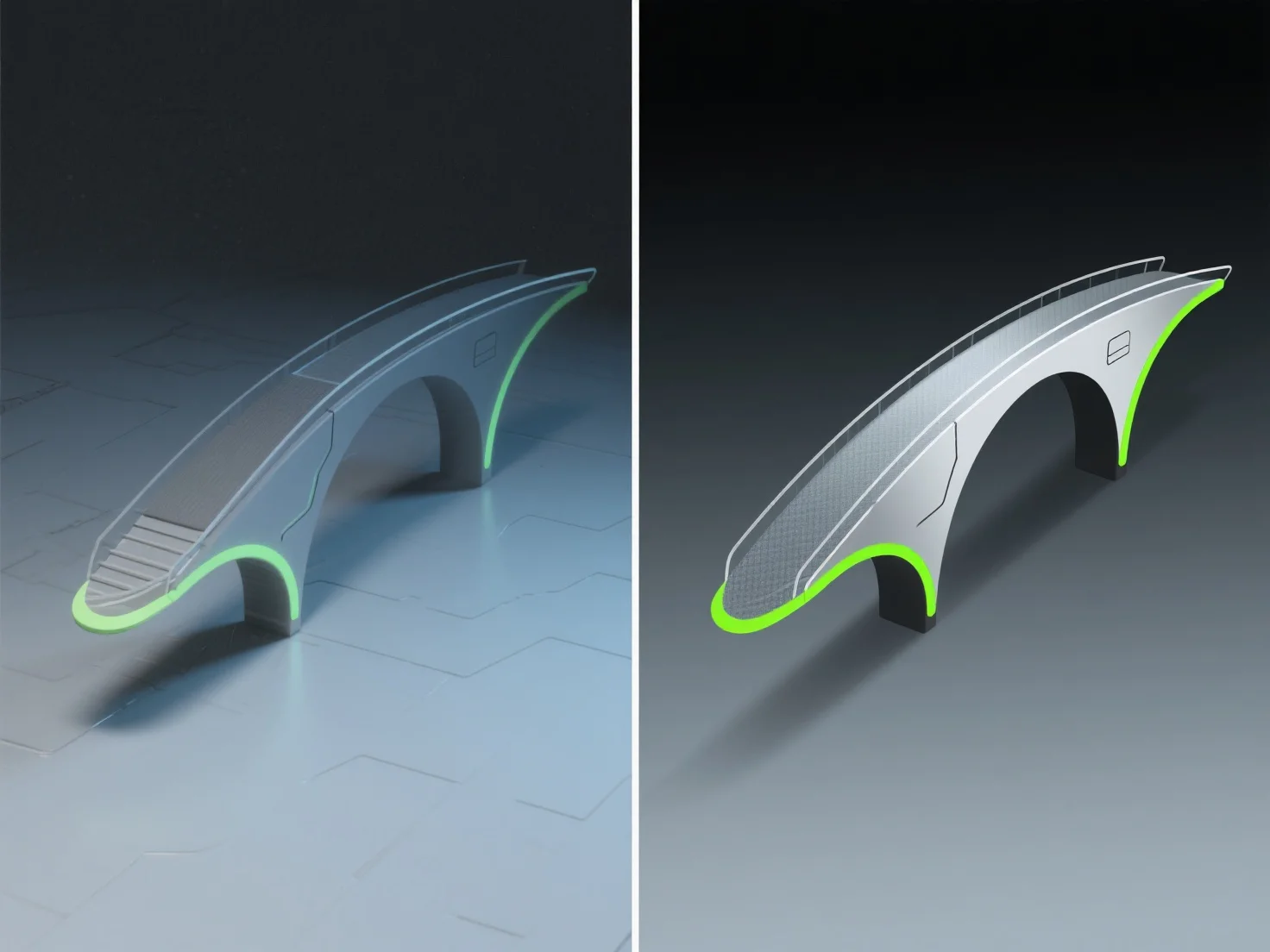
PBR workflows enhance consistency in 3D asset quality by standardizing material properties and lighting responses, ensuring predictable behavior across rendering engines and platforms. Key ways PBR achieves this include: 1. Simulating real-world physical behaviors (e.g., reflectivity, roughness), so materials react uniformly to light regardless of scene conditions. 2. Minimizing manual tweaks, as standardized parameters reduce the need for constant adjustments to maintain consistency. 3. Compatibility across tools, working seamlessly with major engines (Unreal, Unity) and software (Blender, Maya), preventing quality discrepancies between platforms. To maintain consistent asset quality, start with industry-standard PBR templates—they streamline the process and reduce trial-and-error, making it easier to keep 3D assets uniform across projects.


How do PBR workflows enhance consistency in 3D asset quality?
PBR workflows standardize material/lighting, simulate real-world physics, minimize tweaks, ensure tool compatibility, and use templates for consistent 3D asset quality.