


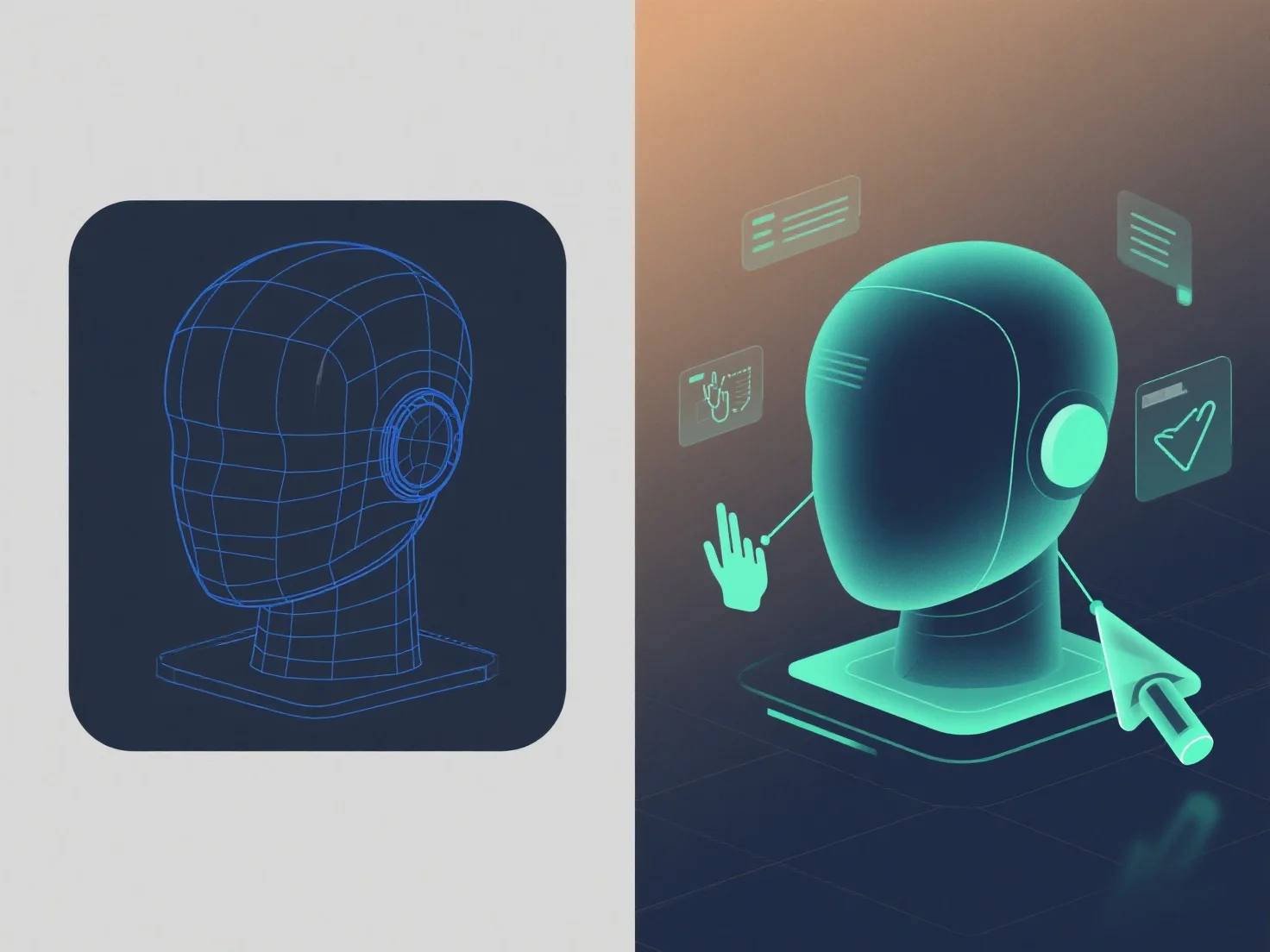
In learning scenarios, interactive 3D models generally outperform static ones by offering more engaging, hands-on experiences that boost understanding and retention.
Unlike static models, which present fixed, one-dimensional views, interactive 3D models enable learners to actively manipulate—rotating, zooming, or "dissecting" elements—to explore details from multiple angles, fostering deeper engagement.
They excel in clarifying complex spatial relationships (e.g., in anatomy or engineering), where static images often fall short. Learners visualize how parts connect or function dynamically, enhancing comprehension of abstract topics.
Interactive models also boost retention: active exploration creates more memorable experiences than passive viewing of static models.
Overall, while static models aid basic demos, interactive 3D models drive immersive, dynamic learning, making them a key tool for modern education.