


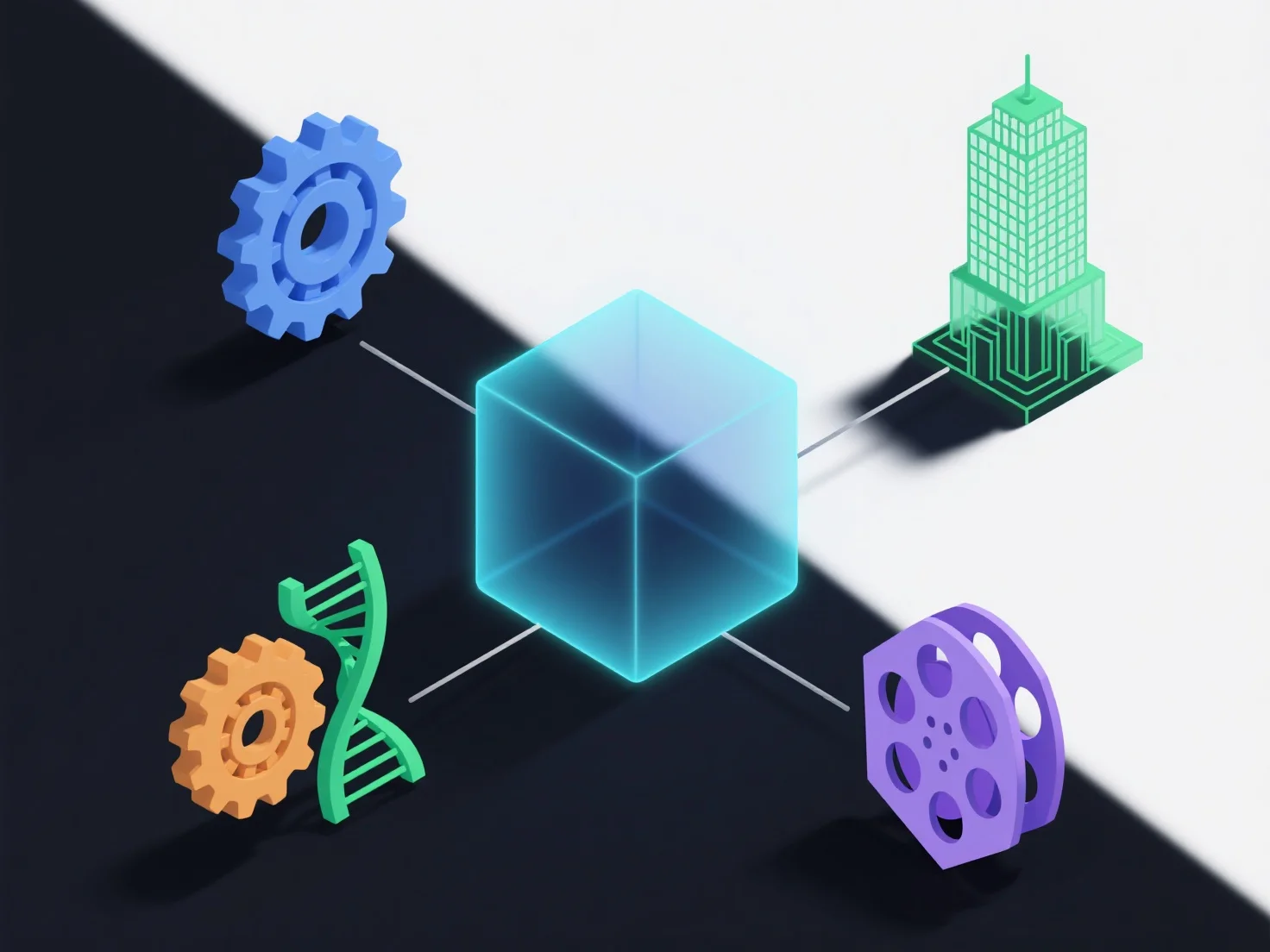
Die Integrationsanforderungen für 3D-Modelle unterscheiden sich von Branche zu Branche aufgrund ihrer spezifischen Anwendungsfälle und technischen Ökosysteme, wobei jeder Sektor unterschiedliche Bedürfnisse wie Datengenauigkeit, Echtzeit-Performance oder Workflow-Kompatibilität priorisiert.
Die wichtigsten branchenspezifischen Integrationsschwerpunkte umfassen: - Fertigung: Enge Integration mit CAD/CAM-Software, PLM-Systemen und IoT-Daten, um die Designgenauigkeit mit den Produktionsprozessen in Einklang zu bringen. - Gesundheitswesen: Verbindung mit medizinischen Bildgebungstools (z. B. MRT, CT) und EHR-Systemen für eine präzise anatomische Modellierung und Patientenversorgung. - Gaming/Unterhaltung: Verbindung mit Echtzeit-Rendering-Engines (z. B. Unity, Unreal) und Animationssoftware für hochwertige Visualisierungen und Interaktivität. - Architektur/Bauwesen: Nutzung von BIM-Plattformen und Projektmanagement-Tools, um 3D-Modelle mit strukturellen Daten und Bauzeitplänen in Einklang zu bringen.
Um die 3D-Integration zu planen, sollten Branchen zunächst die wichtigsten Workflow-Tools identifizieren, um kompatible 3D-Lösungen zu priorisieren.