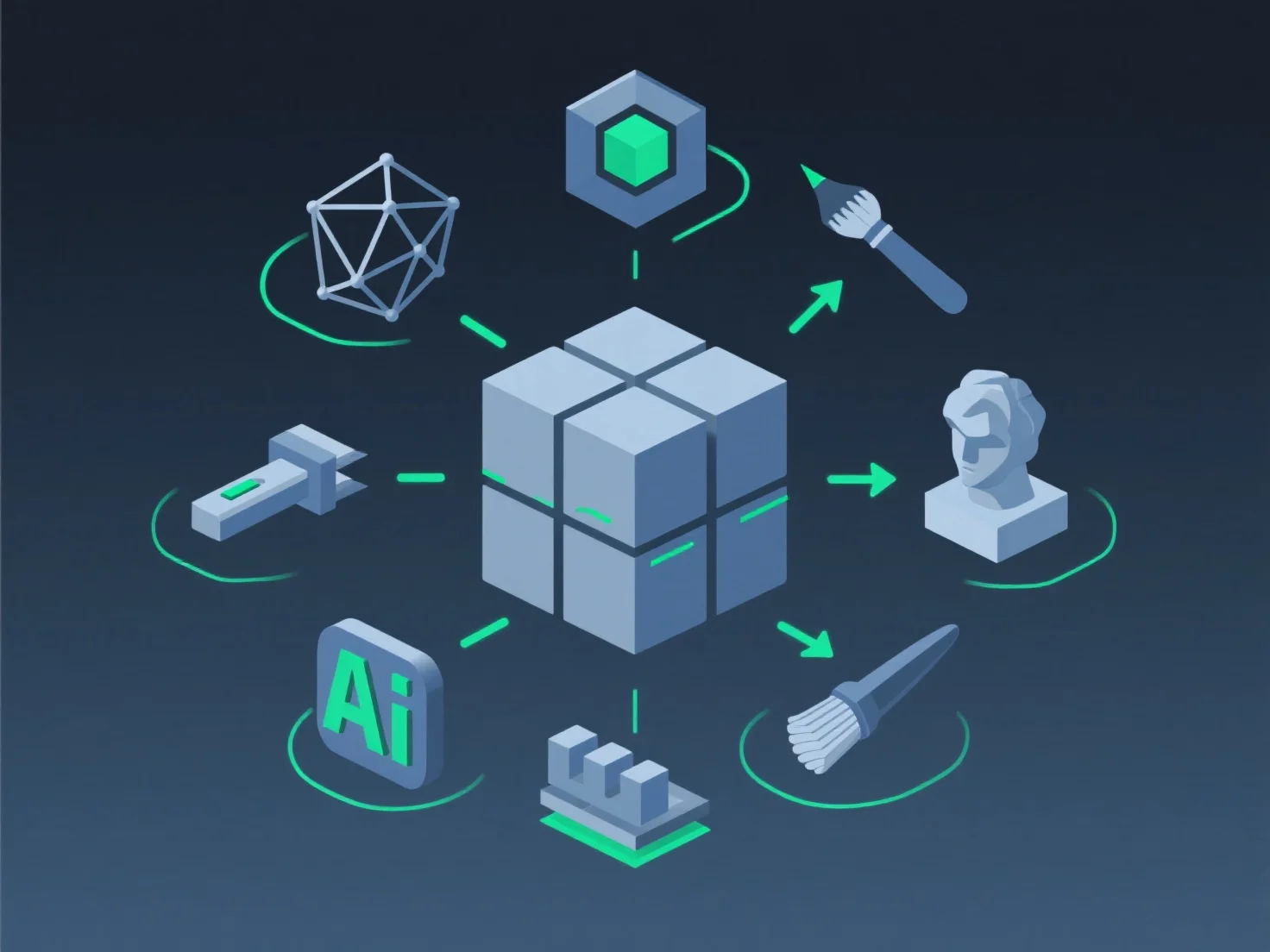
Different 3D production tools meet professional adaptation standards by aligning with industry technical specifications, workflow compatibility, and support for standard formats/protocols.
Key industries and tool applications include: - Film/VFX: Tools like Maya or Blender support high-res modeling/animation standards (e.g., Alembic, FBX) for smooth asset transfer between departments. - Gaming: Software such as ZBrush or Substance Painter adhere to polygon/texture limits for real-time engine (Unity, Unreal) compatibility. - Architecture: SketchUp or Revit follow BIM standards, ensuring accurate dimensioning/material specs for construction workflows. - Product Design: CAD tools like SolidWorks or Fusion 360 meet manufacturing standards for precise prototyping/production.
To confirm compliance, check a tool’s documentation for industry certifications or compatibility lists.