


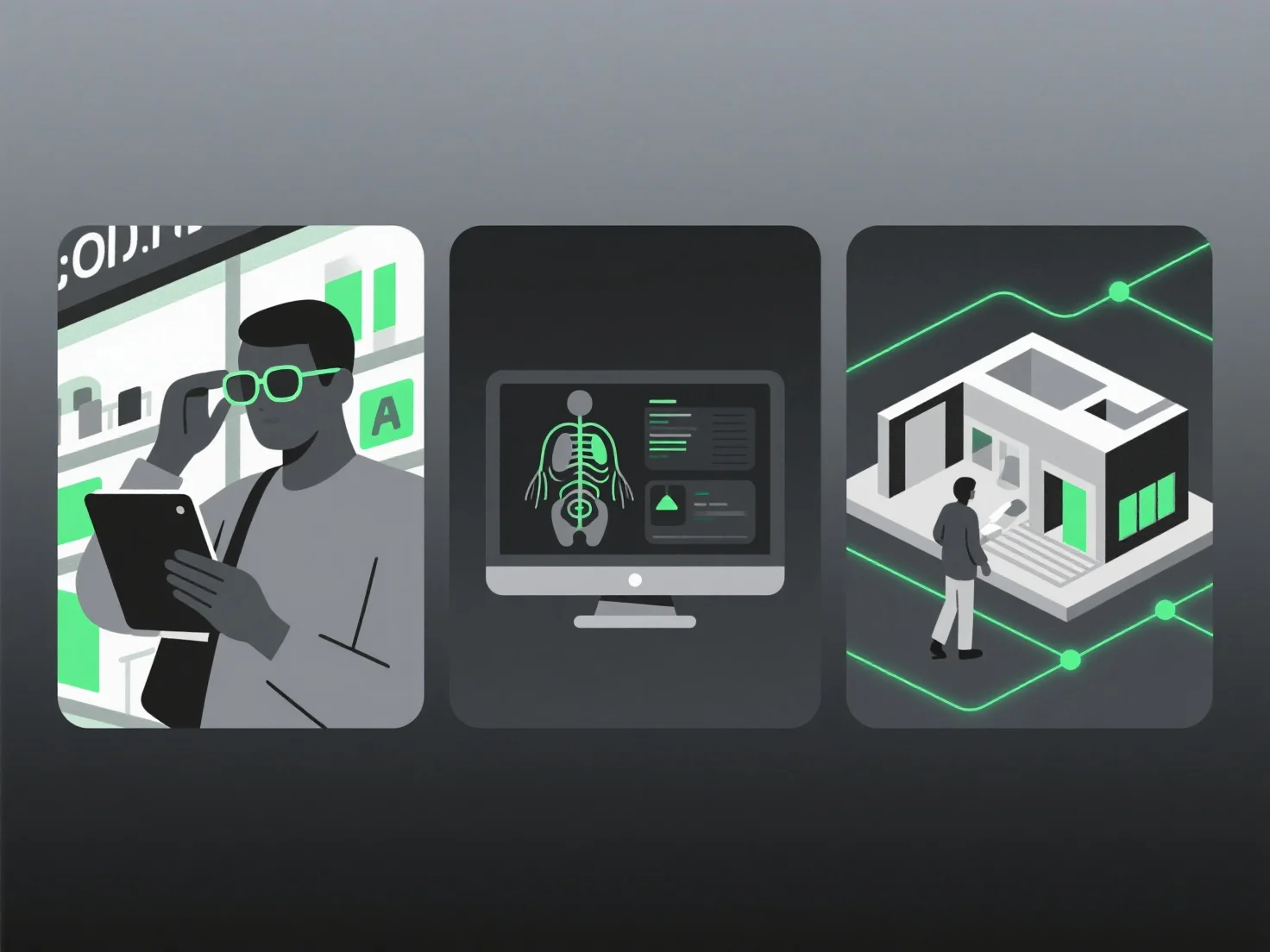
Customer-facing 3D applications differ by industry in core functions and interaction goals, tailored to specific sector needs.
Retail uses them for product visualization and customization (e.g., virtual try-ons) to let customers preview items before purchase. Real estate leverages virtual property tours, enabling remote space exploration. Healthcare employs 3D anatomical models for patient education, simplifying complex medical concepts. Education integrates interactive 3D tools to enhance learning through hands-on exploration. Entertainment focuses on immersive experiences like AR games or virtual events to boost engagement.
Businesses should align 3D application features with their industry’s key customer needs to drive effective interaction.