Home/Hitem3D FAQ/How do 3D rendering pipelines differ in infrastructure cost?

How do 3D rendering pipelines differ in infrastructure cost?

3D rendering pipeline infrastructure costs vary by scale, complexity, and hardware/software needs, with small scales lower and large scales higher.

How do 3D rendering pipelines differ in infrastructure cost?

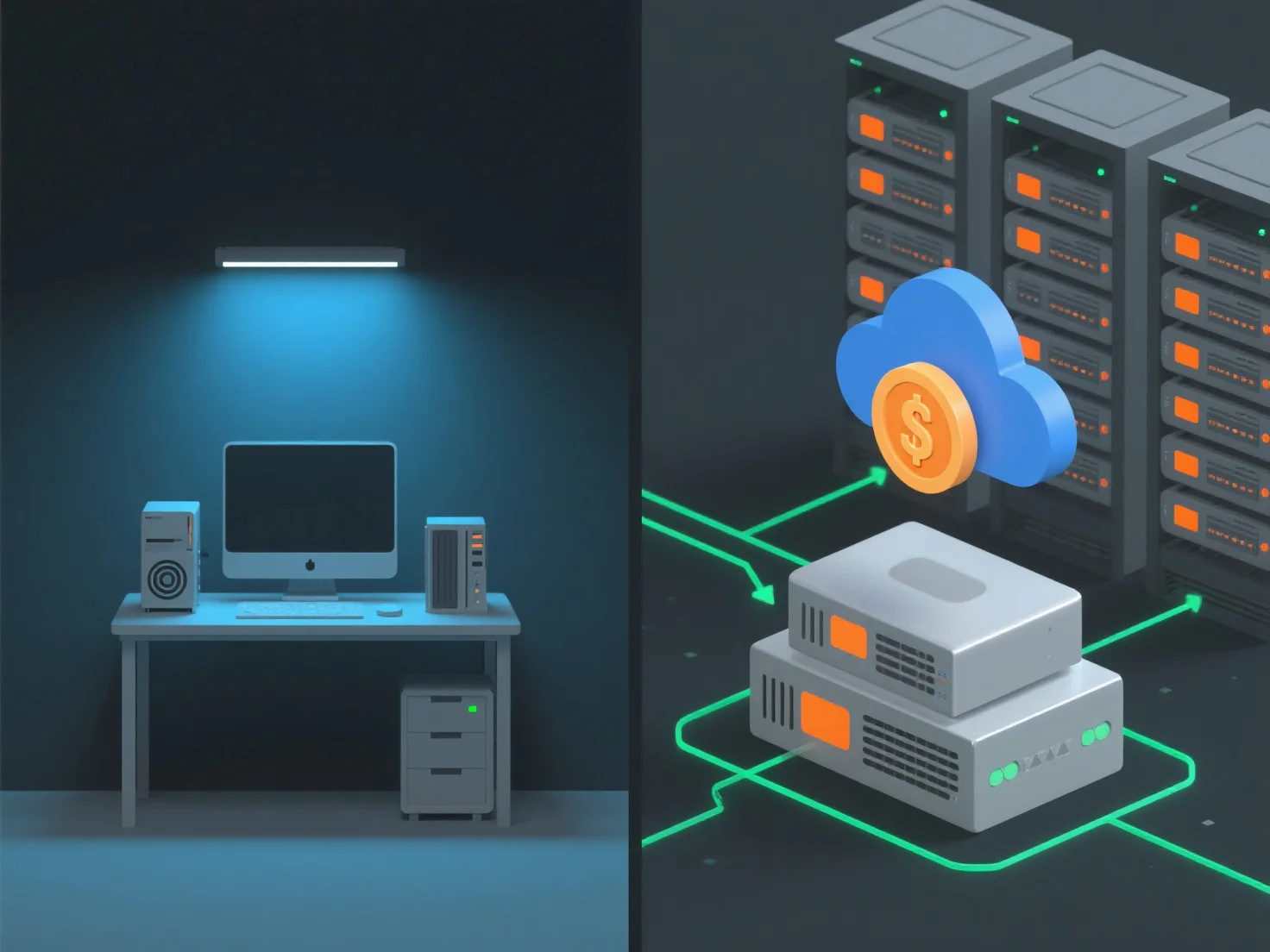
3D rendering pipelines differ in infrastructure cost mainly based on scale, complexity, and hardware/software requirements. Small-scale pipelines (e.g., individual creators or small studios) typically have lower costs: they rely on consumer-grade GPUs, basic rendering software (like Blender), and local computing, with minimal need for advanced storage or processing power. In contrast, large-scale pipelines (e.g., film studios or AAA game developers) incur higher costs: they require high-end GPUs/CPUs, specialized software (such as Arnold or V-Ray), and often cloud or on-premises render farms to handle massive data and complex scenes, driving up expenses for hardware, software licenses, and operational maintenance. To estimate costs, first define the pipeline scale (e.g., real-time vs. offline rendering) and complexity, as this directly determines necessary hardware, software, and infrastructure investments.

PrevNext
Product
Web Studio
API Platform
Features
Image to 3D
Multi-view to 3D
Relief
Segmentation
Models
General Model
Portrait Model
Resource
Blog
FAQ
API Docs
About us
Pricing