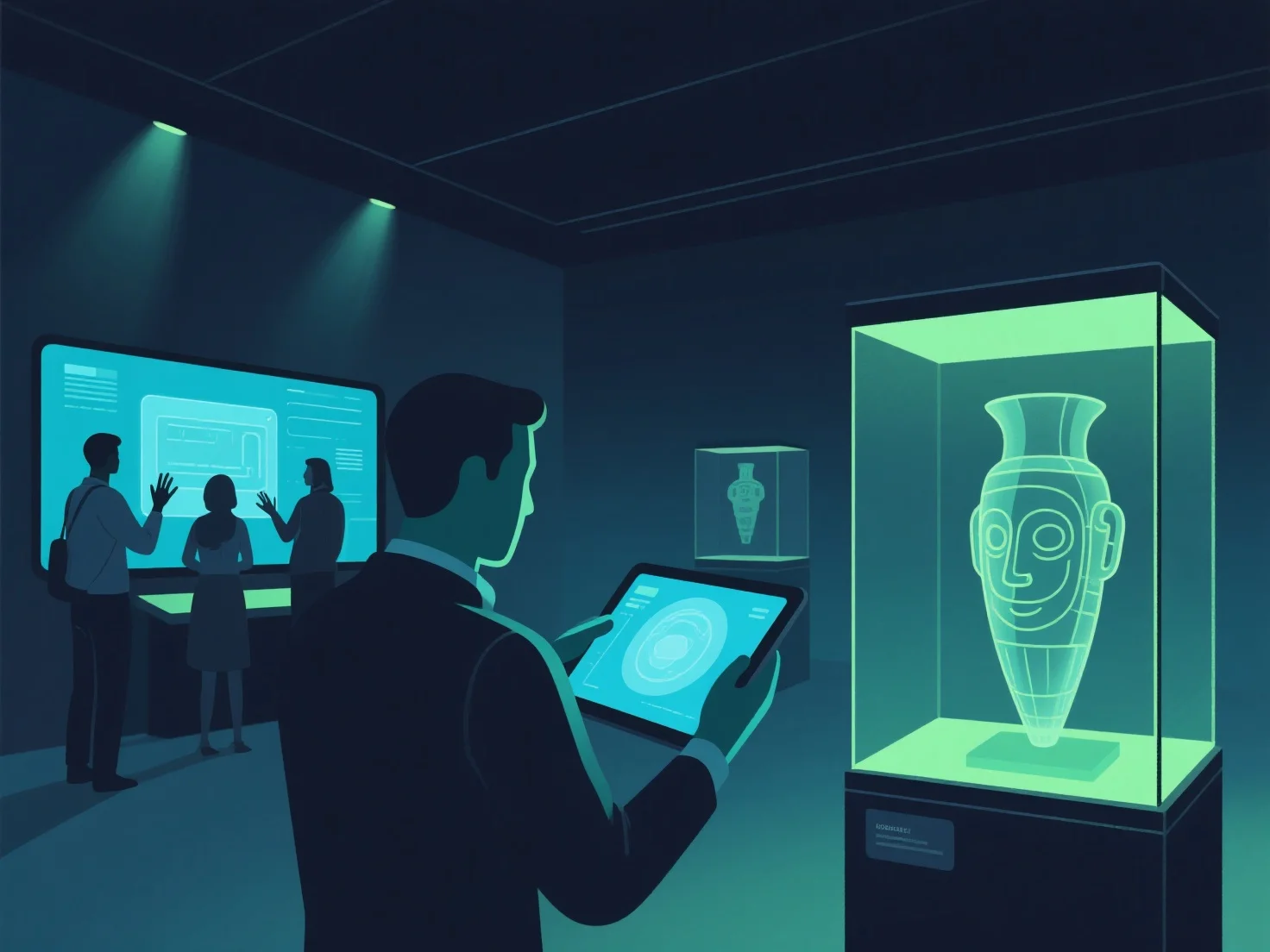
3D models assist museums in developing interactive exhibitions by enabling immersive, safe, and accessible engagement with artifacts or historical content, serving as digital tools to enhance visitor interaction and education. Key applications include: - Fragile Artifacts: Allowing virtual exploration of delicate items (e.g., ancient pottery) without physical contact, preserving them while enabling detailed examination. - Historical Reconstructions: Creating 3D environments (e.g., ancient cities) for interactive "walk-throughs," letting visitors experience past settings firsthand. - Accessibility: Offering multi-sensory interactions, such as touch-based 3D models, to cater to visitors with disabilities, ensuring inclusive engagement. Integrating 3D models helps museums build dynamic, educational, and inclusive interactive exhibitions that deepen visitor connection with cultural heritage.


How do 3D models assist in the development of interactive exhibitions in museums?
3D models help museums create interactive, safe, accessible exhibitions by enabling virtual artifact exploration, historical reconstructions, and inclusive engagement.