


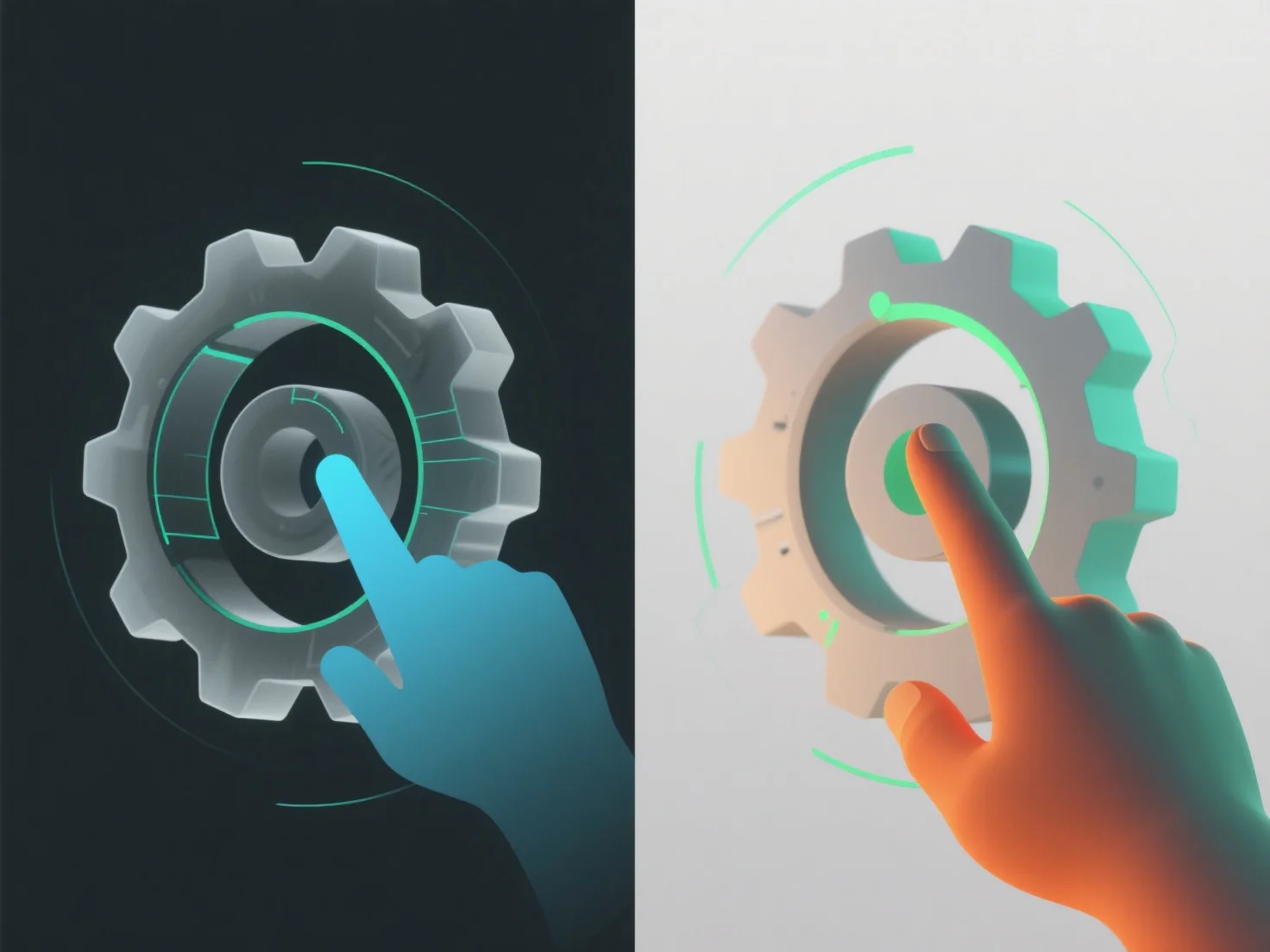
3D models adapt differently in guided versus self-exploration scenarios by emphasizing structured direction in the former and user autonomy in the latter.
In guided scenarios, adaptation focuses on controlled, step-by-step interactions to highlight key details—for example, tutorial prompts, guided tooltips, or predefined paths that lead users through critical features, ensuring they follow a specific learning or task sequence.
In self-exploration scenarios, adaptation prioritizes flexibility and user-driven navigation. Models may offer adjustable viewpoints, interactive controls, or open-ended tools, allowing users to explore at their own pace and focus on areas of personal interest, fostering discovery and creativity.
Overall, guided adaptation suits learning/training, while self-exploration better supports creative or exploratory tasks.