


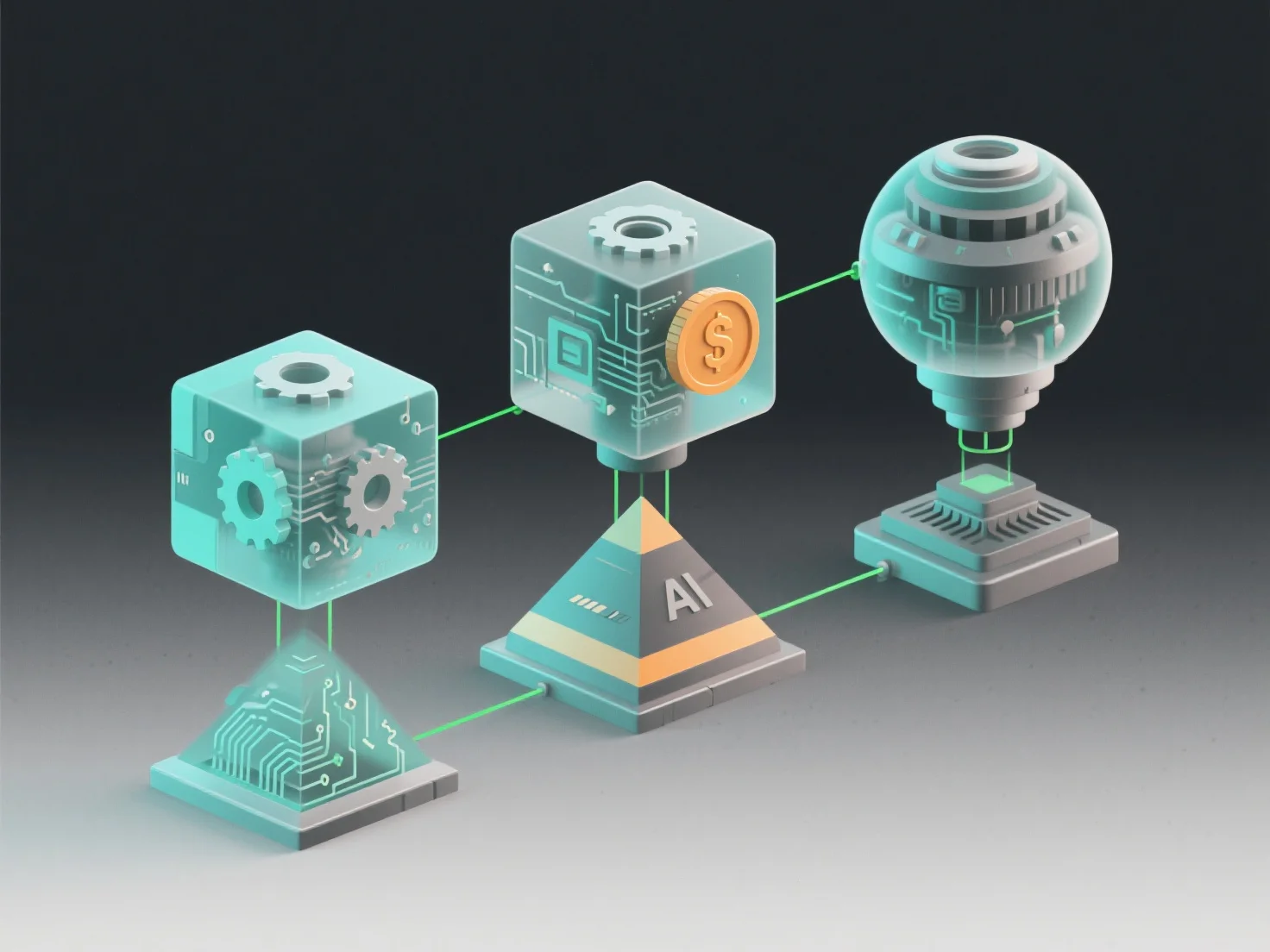
When comparing 3D engines' total cost of ownership (TCO), key factors include licensing models, development tool accessibility, training requirements, and ongoing maintenance expenses.
Upfront costs vary by licensing: Open-source engines (e.g., Godot) often have no initial fees, while commercial engines (e.g., Unity, Unreal) may charge per-seat licenses or revenue-based royalties.
Operational costs include training (time/resources to learn tools), tool integration (third-party plugin expenses if built-in tools are limited), and maintenance (updates, support fees, and bug fixes).
Overall, open-source engines can lower initial TCO but may raise long-term costs due to limited support, while commercial engines often reduce operational expenses via integrated features and dedicated support, balancing upfront and ongoing costs.