


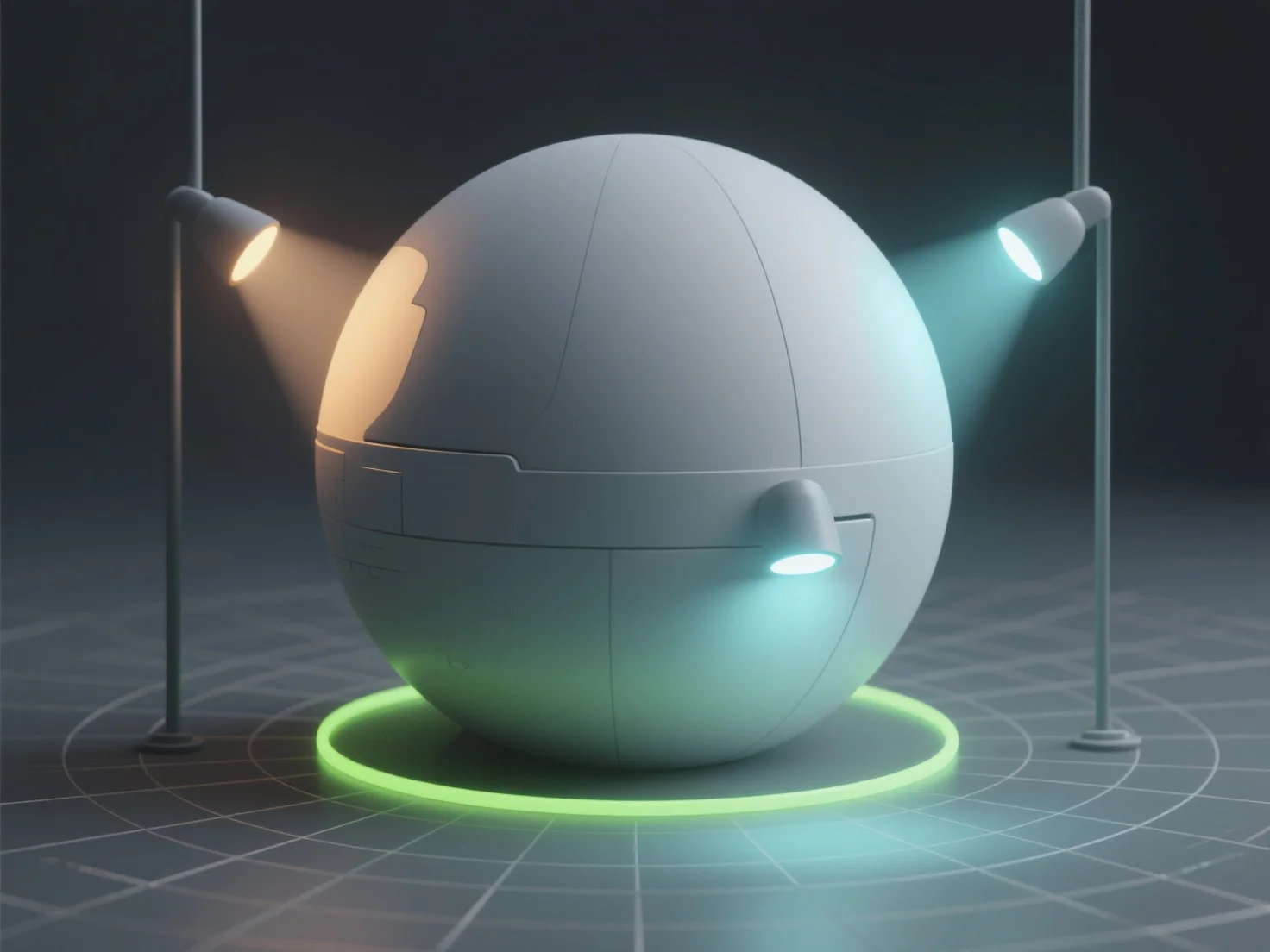
To master lighting techniques for 3D modeling, focus on understanding light types, simulating real-world behavior, and practicing foundational setups.
First, learn core light types: ambient (soft, fill light), directional (sun-like, parallel rays), and point (omni, localized source)—and their shadow characteristics (hard/soft edges, sharpness).
Next, mimic real-world light behavior: adjust intensity to control brightness, color temperature (warm/cool) to set mood, and direction to highlight model details or create depth.
Finally, practice foundational setups: start with three-point lighting (key, fill, backlight), use render engine presets for efficiency, and analyze reference photos to replicate natural or stylized effects.
Consistent practice combining these steps will gradually refine your 3D lighting skills.