


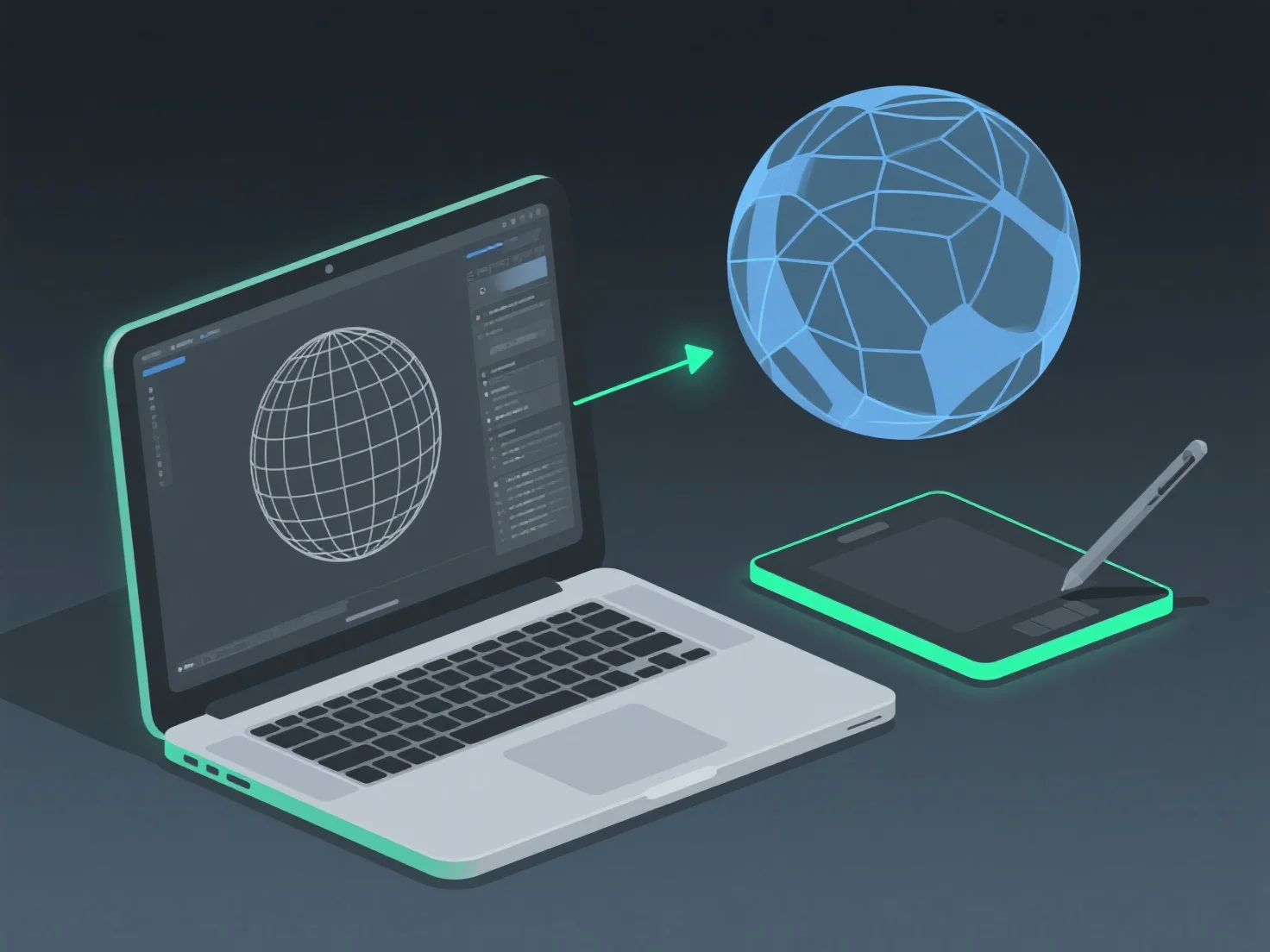
To become a professional 3D modeler, focus on mastering 3D software, building a standout portfolio, and gaining industry experience.
Start by learning core tools: Practice with software like Blender (free), Maya, or ZBrush—master basics like modeling, texturing, and rendering through tutorials. Build a strong portfolio: Create diverse projects (e.g., characters, props, environments) to showcase technical skill and creativity; highlight your best work to impress employers. Gain practical experience: Seek internships, freelance gigs, or collaborative projects in gaming, animation, or product design to apply skills and network with professionals.
Consistent practice, portfolio refinement, and real-world application are key to transitioning from hobbyist to professional 3D modeler.