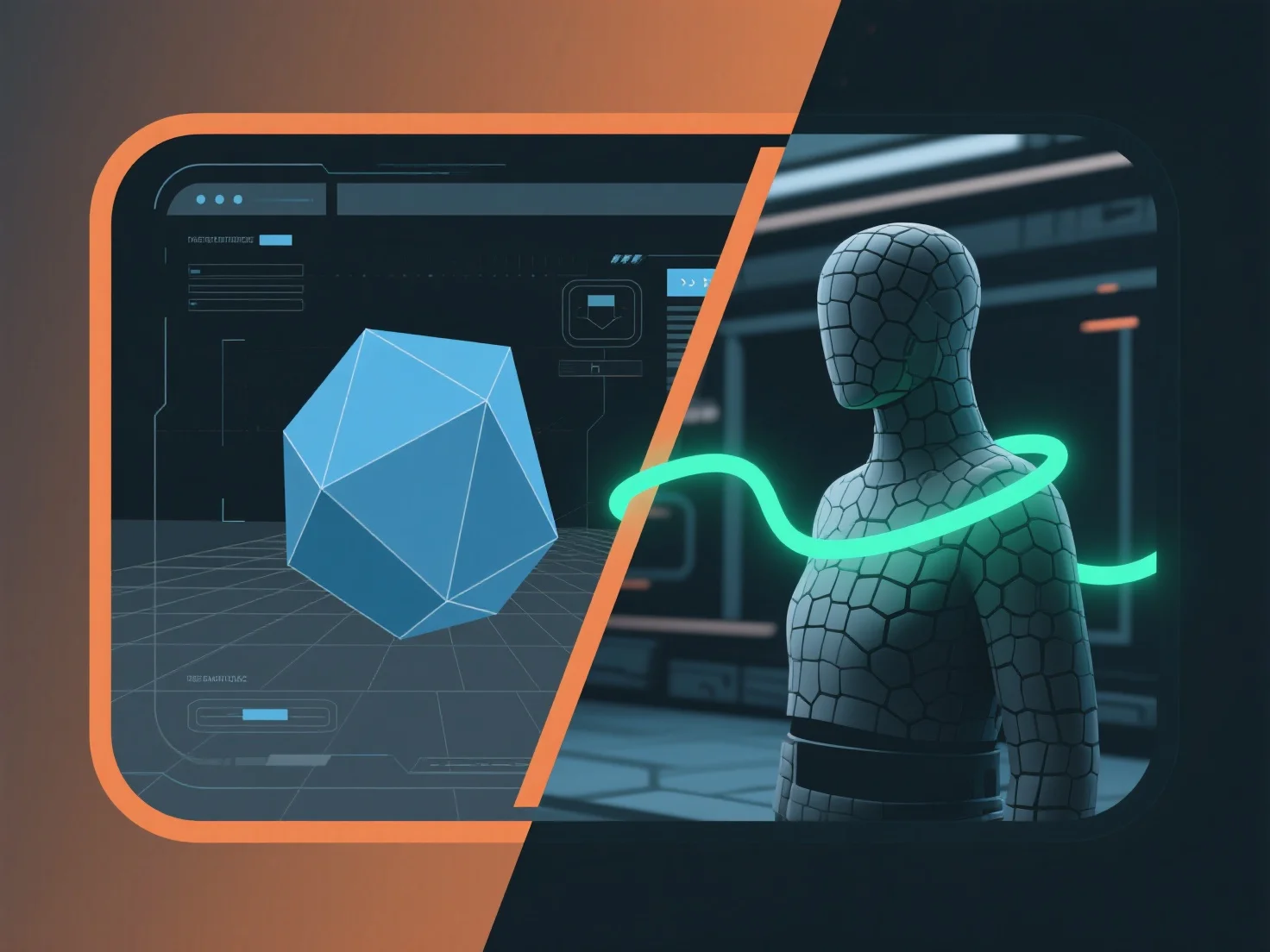
Home/Hitem3D FAQ/How can a 3D modeling tool be integrated with a game engine for real-time applications?

How can a 3D modeling tool be integrated with a game engine for real-time applications?

Integrating 3D modeling tools with game engines requires a compatible asset pipeline for smooth transfer and real-time optimization.

How can a 3D modeling tool be integrated with a game engine for real-time applications?

Integrating a 3D modeling tool with a game engine for real-time applications involves establishing a compatible asset pipeline to transfer models, textures, and animations smoothly, ensuring real-time rendering optimization.

- **Asset Export**: Export 3D assets from the modeling tool using formats supported by the game engine (e.g., FBX, GLB) to retain critical data like UV maps, animations, and material references. - **Import & Compatibility**: Utilize engine-specific plugins (e.g., Blender’s Unity/Unreal plugins) or built-in import functions to load assets, verifying shader and material consistency to avoid rendering errors. - **Real-Time Optimization**: Reduce polygon counts, compress textures, and enable real-time previews during development to ensure assets meet the engine’s performance requirements (e.g., frame rate, memory limits).

This streamlined pipeline ensures assets function efficiently in real-time, balancing visual quality with engine performance for applications like games or interactive simulations.

PreviousNext
Product
Web Studio
API Platform
Features
Image to 3D
Multi-view to 3D
Relief
Segmentation
Models
General Model
Portrait Model
Resource
Blog
FAQ
API Docs
About us
Pricing