


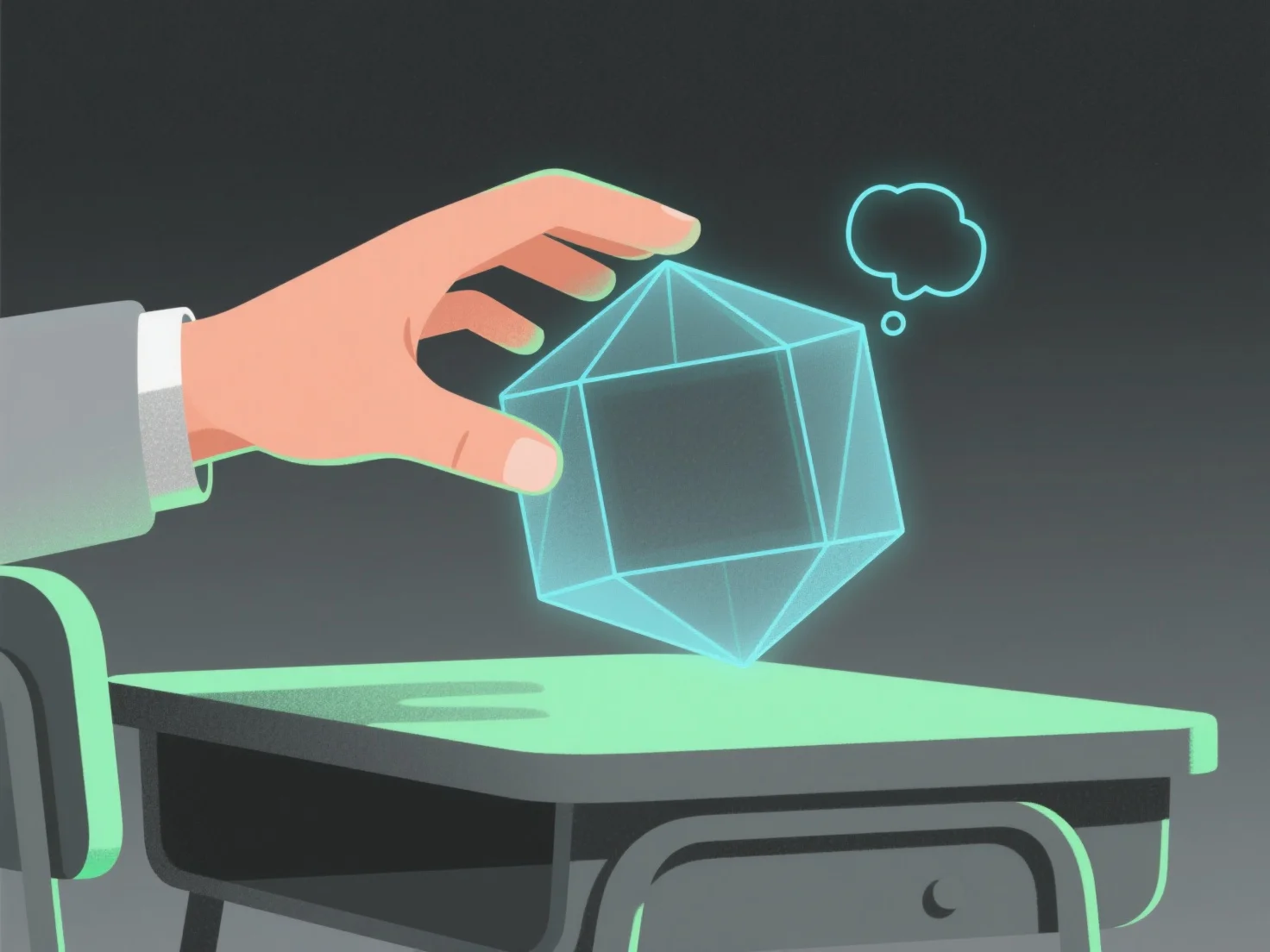
3D models enhance students' critical thinking by fostering hands-on exploration, visualization of abstract concepts, and iterative problem-solving in tangible scenarios. They enable students to manipulate variables, analyze outcomes, and develop logical reasoning and creative solutions.
Key applications across subjects include: - Science: Modeling molecular structures or ecosystems, where students adjust variables (e.g., atom positions, species interactions) to test hypotheses and understand cause-effect relationships. - Engineering: Prototyping designs (e.g., bridges, machines), identifying structural flaws through manipulation, and iterating solutions to promote systematic evaluation and innovation. - Social Studies: Reconstructing historical sites or geographic landforms, prompting connections between spatial details and cultural/historical contexts to enhance analytical reasoning.
In complex subjects like physics or biology, 3D models simplify abstract ideas (e.g., cell mechanics, geological processes), helping students break down problems step-by-step and form evidence-based conclusions.