


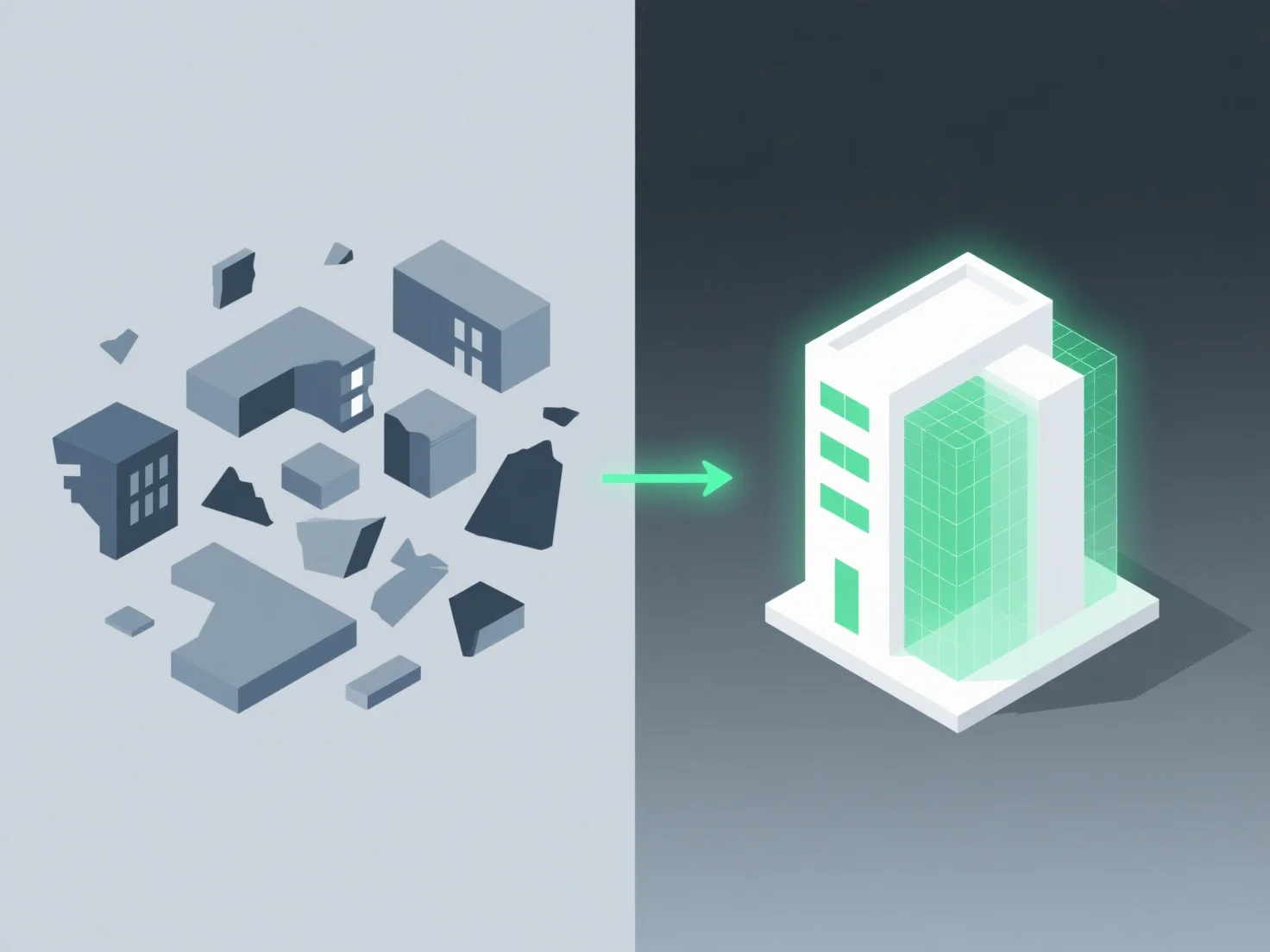
3D modeling helps solve spatial problems in architecture by visually simulating and analyzing space, enabling early identification and resolution of issues like poor flow or inefficient layout before construction.
It converts 2D plans into immersive 3D representations, allowing architects to test spatial relationships (e.g., room sizes, furniture placement) and spot design flaws intuitively.
It enables virtual optimization of traffic paths, circulation, and dimension adjustments, ensuring functional and efficient space use without physical prototyping.
It facilitates collaborative review among teams, aligning stakeholders on spatial solutions early to avoid costly post-construction modifications.
By integrating 3D modeling in the early design phase, architects proactively address spatial challenges, enhancing design accuracy and reducing project risks.