


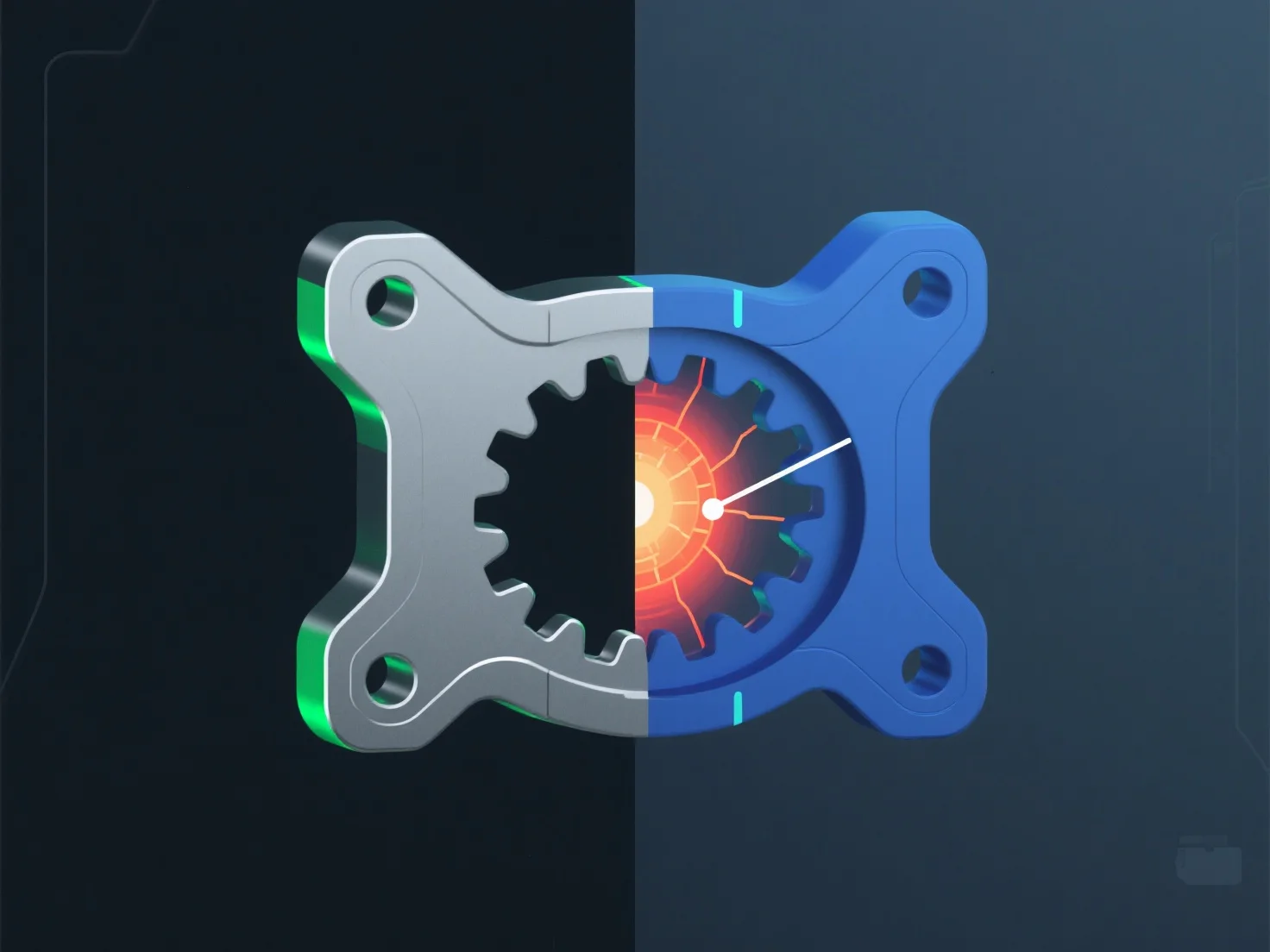
3D modeling helps compare different materials’ performance in design by simulating and analyzing their mechanical, thermal, or structural behaviors under various conditions, enabling efficient evaluation before physical prototyping.
First, it allows inputting material properties (e.g., strength, elasticity, heat resistance) into 3D models, ensuring accurate representation of each material’s characteristics.
Second, simulations can be run to test performance under stress, load, or environmental factors, revealing how materials behave in real-world scenarios.
Third, it simplifies comparing materials against design criteria like durability, weight, or cost, helping identify the best fit quickly.
This structured approach streamlines the comparison process, making 3D modeling a key tool for material selection in design.