


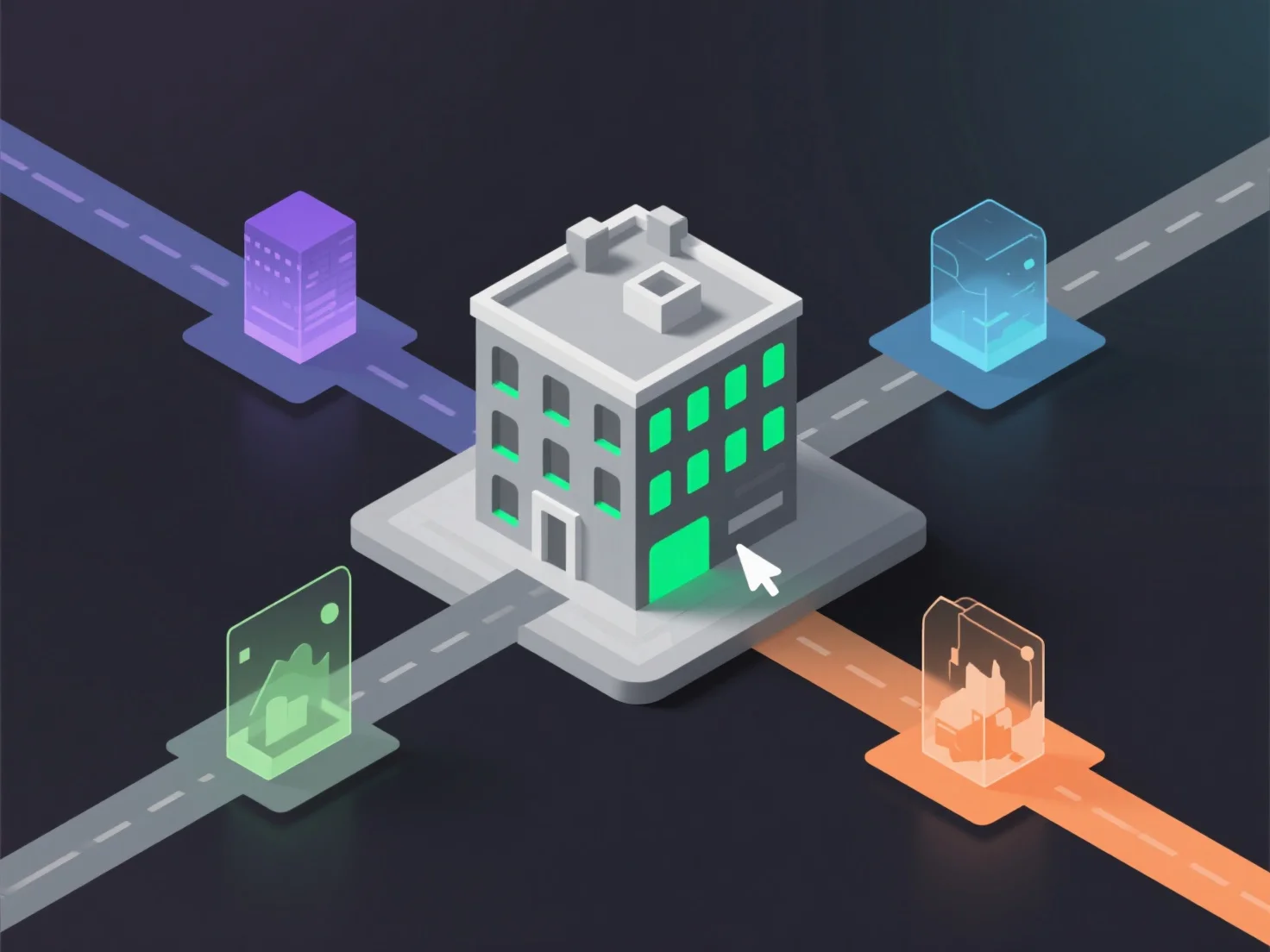
Die 3D-Modellierung simuliert verschiedene Entscheidungsresultate, indem virtuelle Repliken von Systemen oder Szenarien erstellt werden, um Variablen zu testen und Ergebnisse zu visualisieren, was dabei hilft, die Auswirkungen verschiedener Entscheidungen vorherzusagen.
Es funktioniert, indem es Benutzern ermöglicht, Schlüsselparameter wie Designänderungen, Ressourcenzuweisungen oder Umweltfaktoren im virtuellen Modell anzupassen. Diese Anpassung zeigt, wie sich jede Entscheidung auf Ergebnisse wie Leistung, Kosten oder Risiken auswirkt.
Beispiele hierfür sind Stadtplanung, bei der 3D-Modelle Bebauungsentscheidungen testen, indem sie Verkehrsflussänderungen simulieren, und Fertigung, bei der sie die Produktionseffizienz bei verschiedenen Layoutanpassungen vorhersagen.
Um effektiv zu simulieren, beginnen Sie mit einem grundlegenden 3D-Modell des Szenarios und fügen schrittweise Variablen hinzu; dies gewährleistet klare, vergleichbare Ergebnisse bei verschiedenen Entscheidungen.