


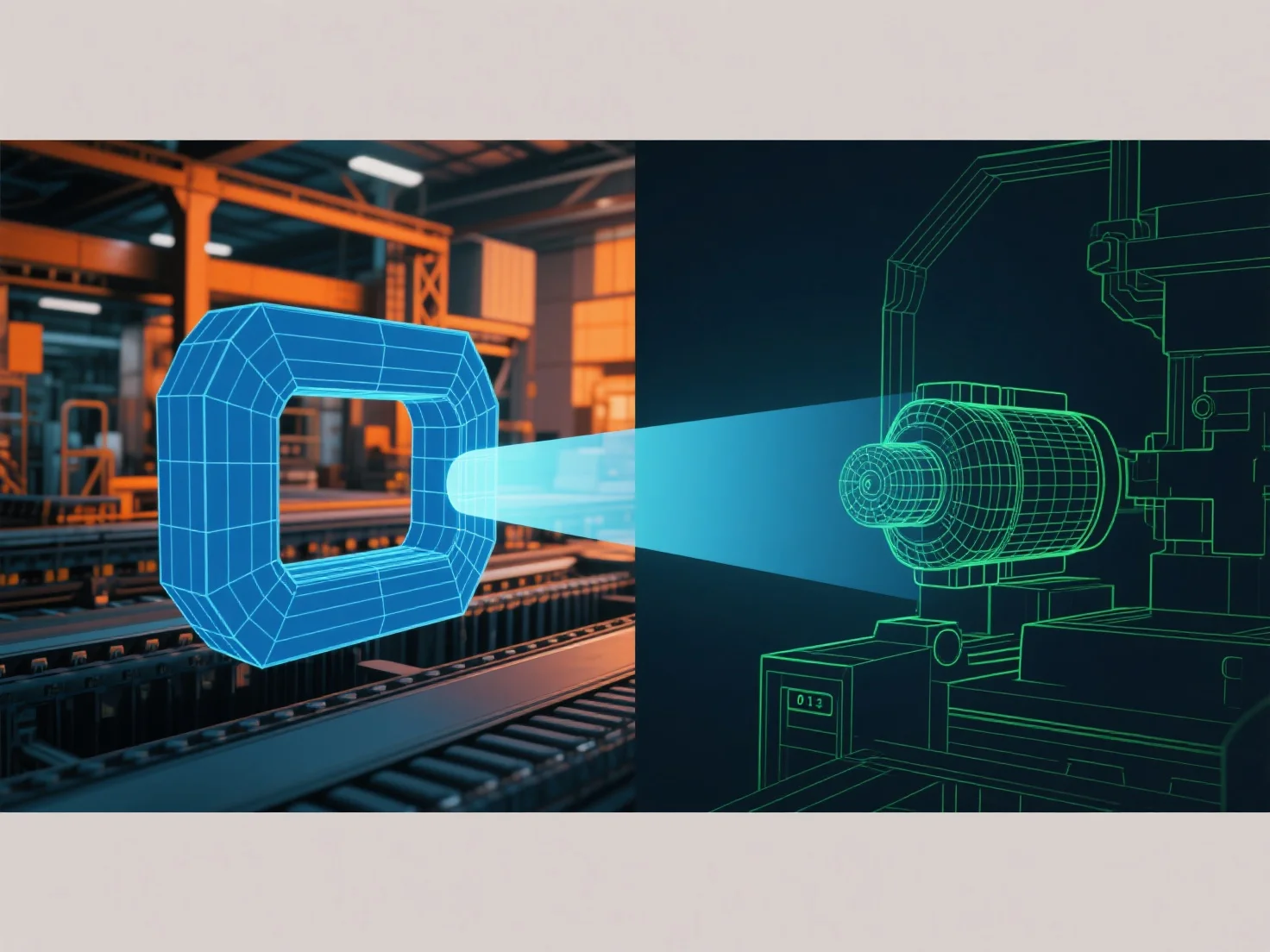
3D modeling evaluates the feasibility of design ideas by visually simulating and testing key aspects like structure, function, and aesthetics to identify potential issues early.
It transforms abstract concepts into tangible 3D models, allowing designers to check spatial relationships, material compatibility, and size proportions—ensuring the design aligns with real-world constraints without physical prototypes.
Additionally, 3D modeling enables virtual testing, such as basic stress simulations or assembly sequence checks, to verify operational logic at lower cost and time than physical prototyping.
By integrating these visual and functional checks, 3D modeling ensures design ideas are practical and viable before production, reducing post-manufacturing revisions.