


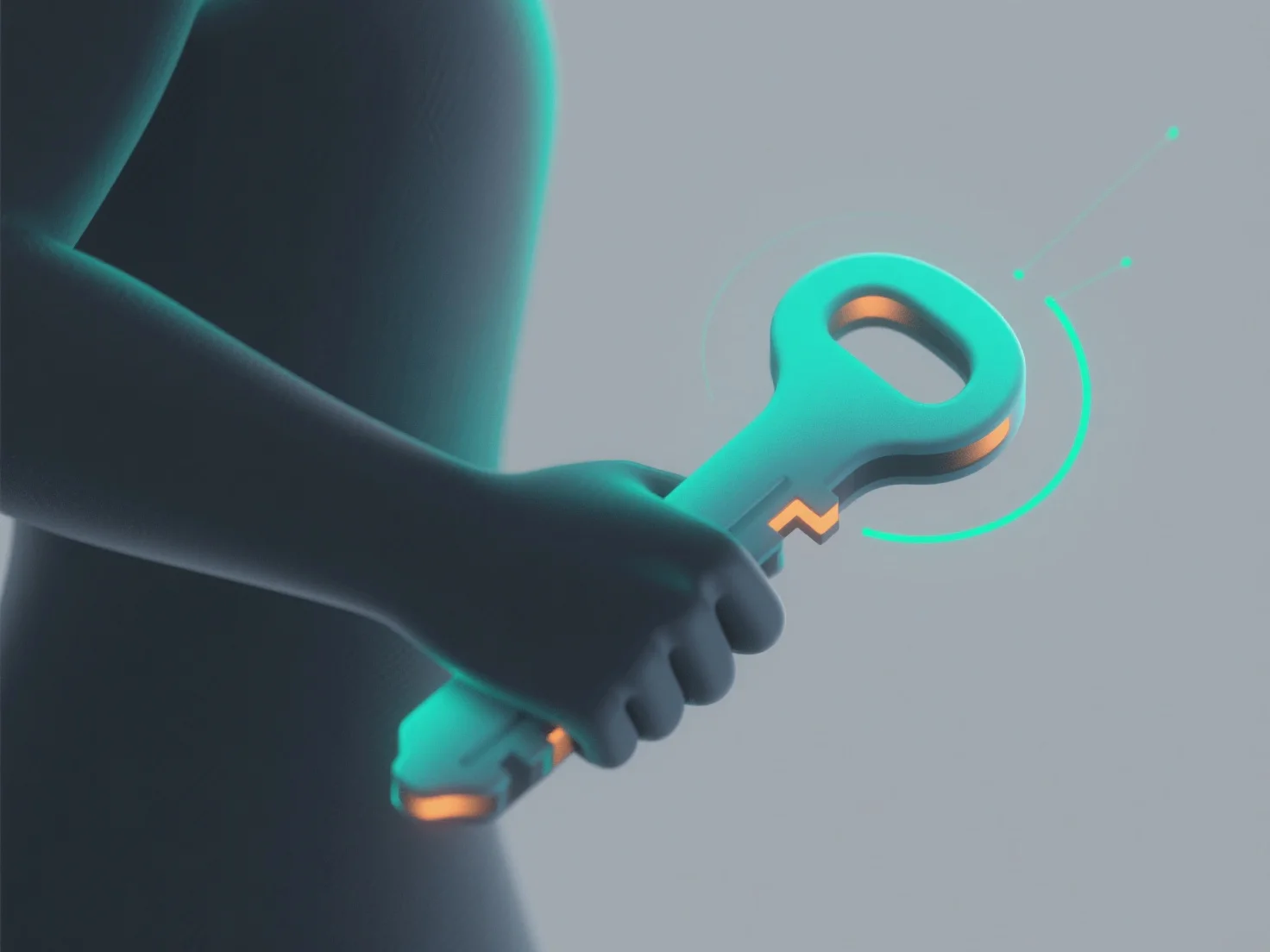
3D modeling evaluates product ergonomics and usability by simulating human interaction with digital prototypes, enabling early testing of comfort, reachability, and accessibility without physical models.
- **Anthropometric data integration**: By inputting diverse body measurements, 3D models simulate how users of different sizes interact, highlighting issues like strained movements or awkward hand positions. - **Iterative design testing**: Designers adjust dimensions in software to test usability iteratively, refining features (e.g., grip size) before physical prototyping, saving time and costs. - **Interaction simulation**: It tests key usability aspects, such as visual accessibility of controls or movement ease, ensuring products align with user needs from the start.
This approach streamlines evaluation, making ergonomic and usability checks efficient and proactive in the design process.