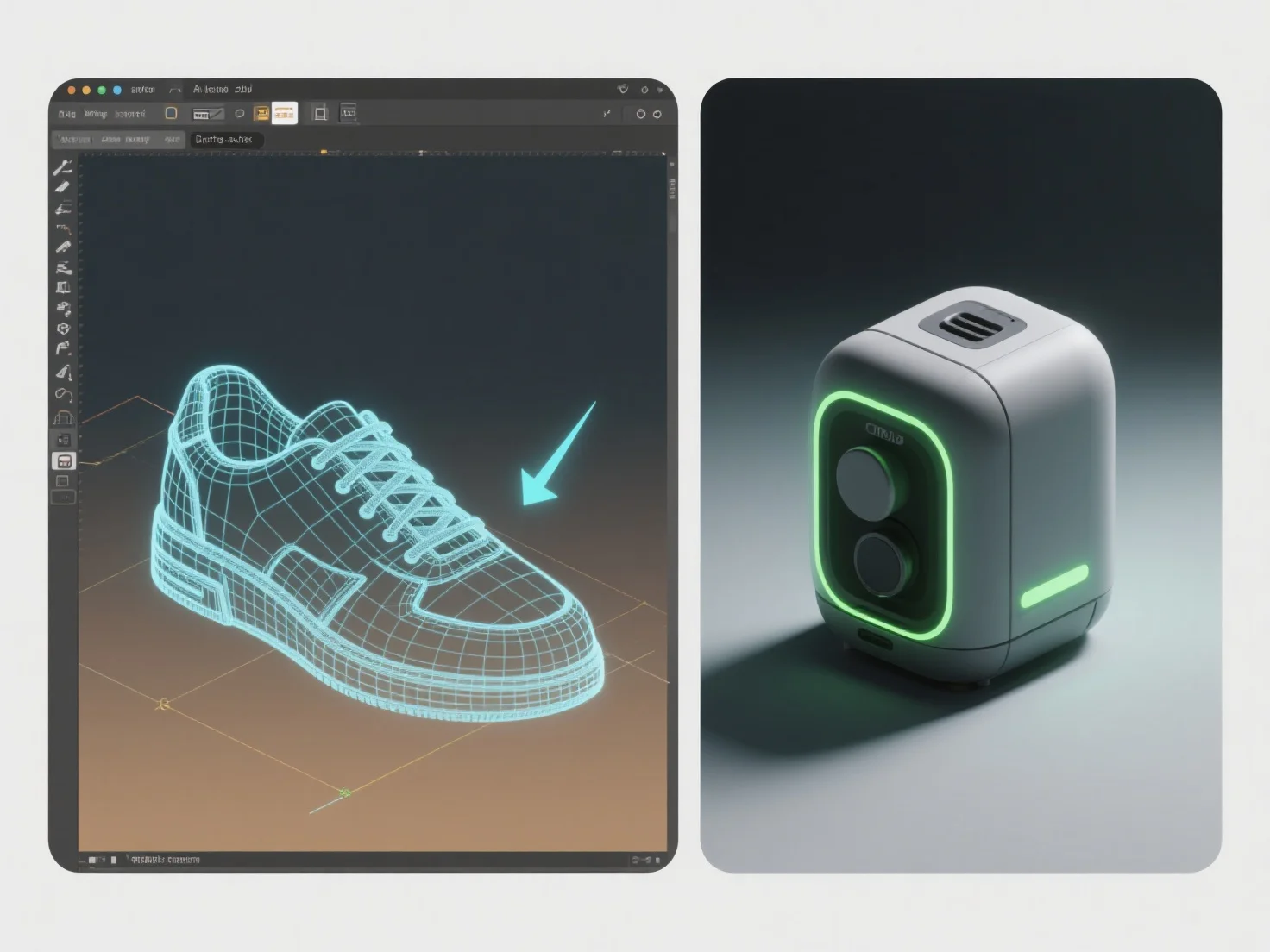
3D modeling creates realistic e-commerce product renderings by digitally replicating product details, textures, and proportions, then adjusting lighting, materials, and angles to simulate lifelike appearances. First, it builds a precise digital 3D model of the product, serving as the base for rendering. This allows control over material properties (e.g., fabric softness, metal gloss) and light sources (soft ambient or directional spotlights) to mimic real-world conditions. Key applications include: Apparel (showcasing fabric drape, stitching details); Electronics (rendering metallic/glass surfaces, screen displays); Furniture (highlighting wood grain, structural design from multiple angles). This method ensures consistent, high-quality visuals, reduces photography costs, and lets brands update renderings quickly, making it ideal for dynamic e-commerce product listings.


How can 3D modeling be used to create realistic product renderings for e-commerce platforms?
3D modeling creates realistic e-commerce product renderings with digital replication, adjustments, and benefits like cost reduction and quick updates.