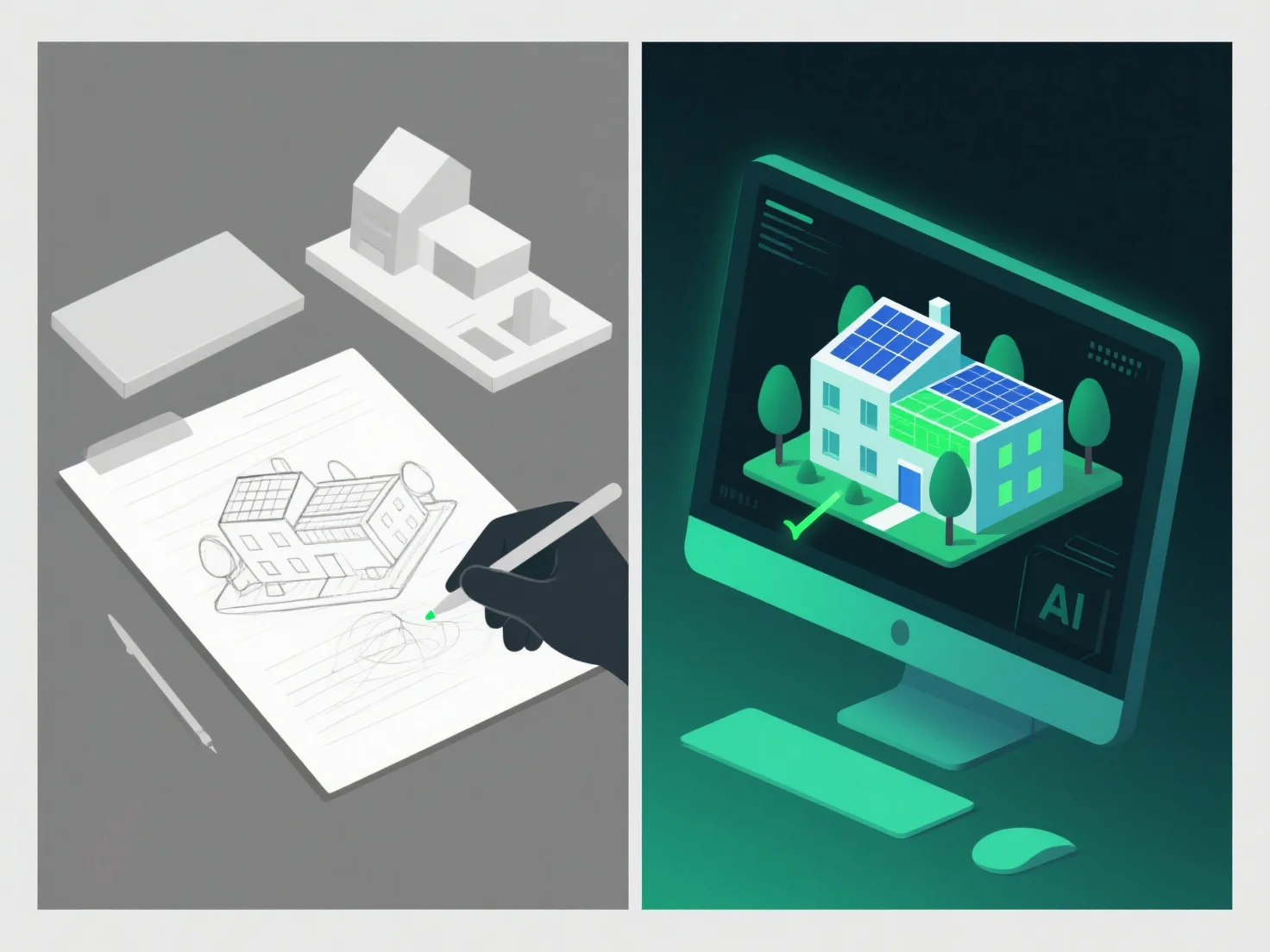
3D modeling assists in solving environmental design problems by visually simulating spatial relationships, material impacts, and ecological dynamics, enabling efficient issue identification and solution optimization.
- **Spatial Clarity**: Converts abstract concepts into tangible 3D visuals, making it easier to assess sunlight exposure, water flow, and vegetation placement in contexts like urban landscaping or sustainable architecture. - **Impact Testing**: Simulates material durability, energy efficiency, and ecological interactions (e.g., plant growth, wildlife habitats) pre-implementation, reducing trial-and-error costs.
Overall, it bridges design intent and real-world application, ensuring solutions are both functional and environmentally sustainable.