


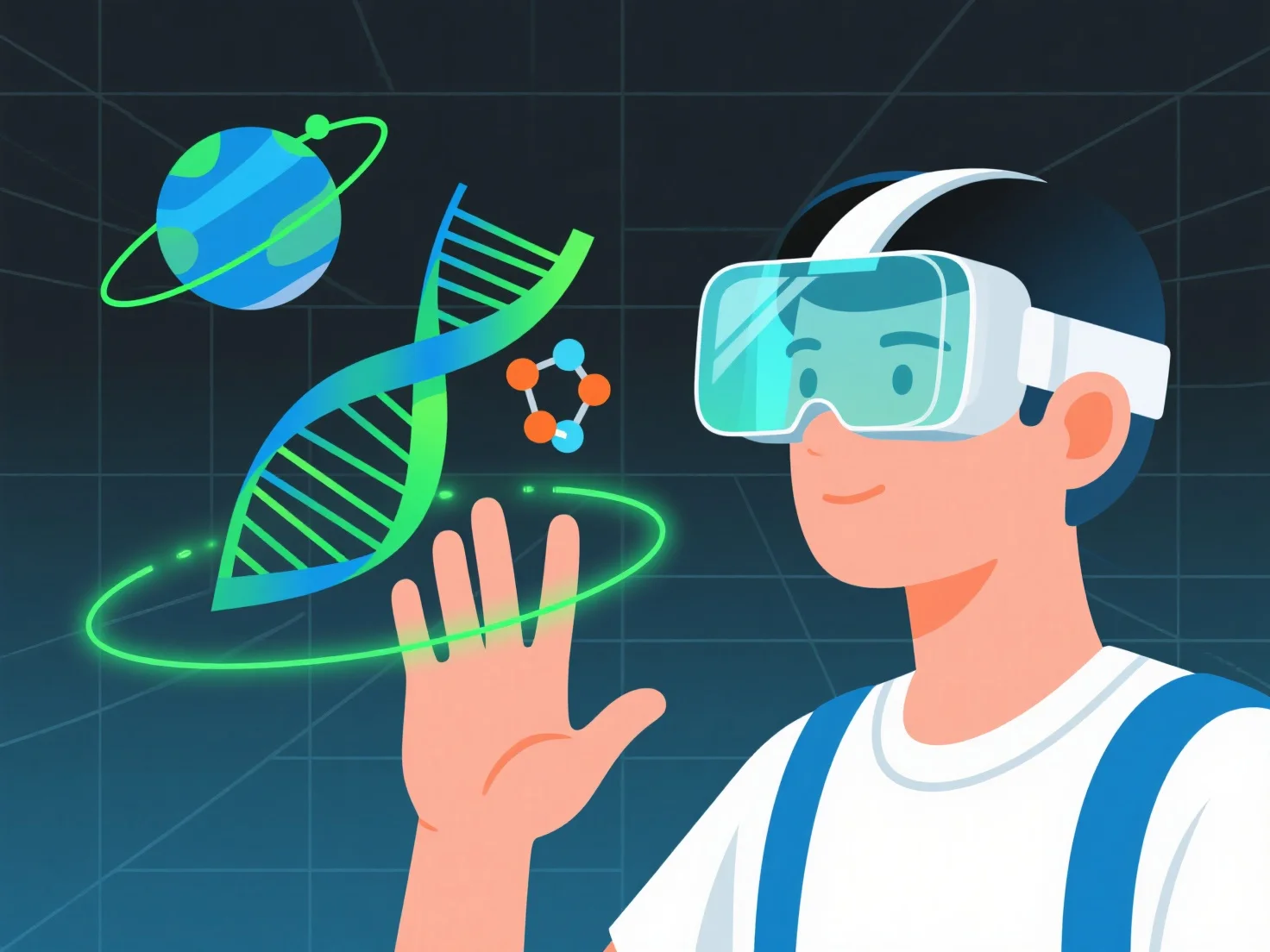
3D modeling aids in creating immersive digital learning environments by building realistic, interactive 3D objects, scenes, and simulations that engage learners visually and kinesthetically, enhancing understanding and retention.
- **Transforms abstract concepts into tangible models**: It converts complex subjects (e.g., human anatomy, historical architecture, molecular structures) into explorable 3D models, allowing learners to manipulate, rotate, or dissect virtual objects for hands-on interaction. - **Enables interactive simulations**: Learners can engage in virtual experiments or environment exploration, making abstract processes (like chemical reactions) concrete and experiential. - **Simplifies educator integration**: User-friendly tools with pre-made 3D assets reduce technical barriers, letting educators easily incorporate immersive elements into lessons.
These features collectively make digital learning environments more dynamic, memorable, and effective for knowledge absorption.