


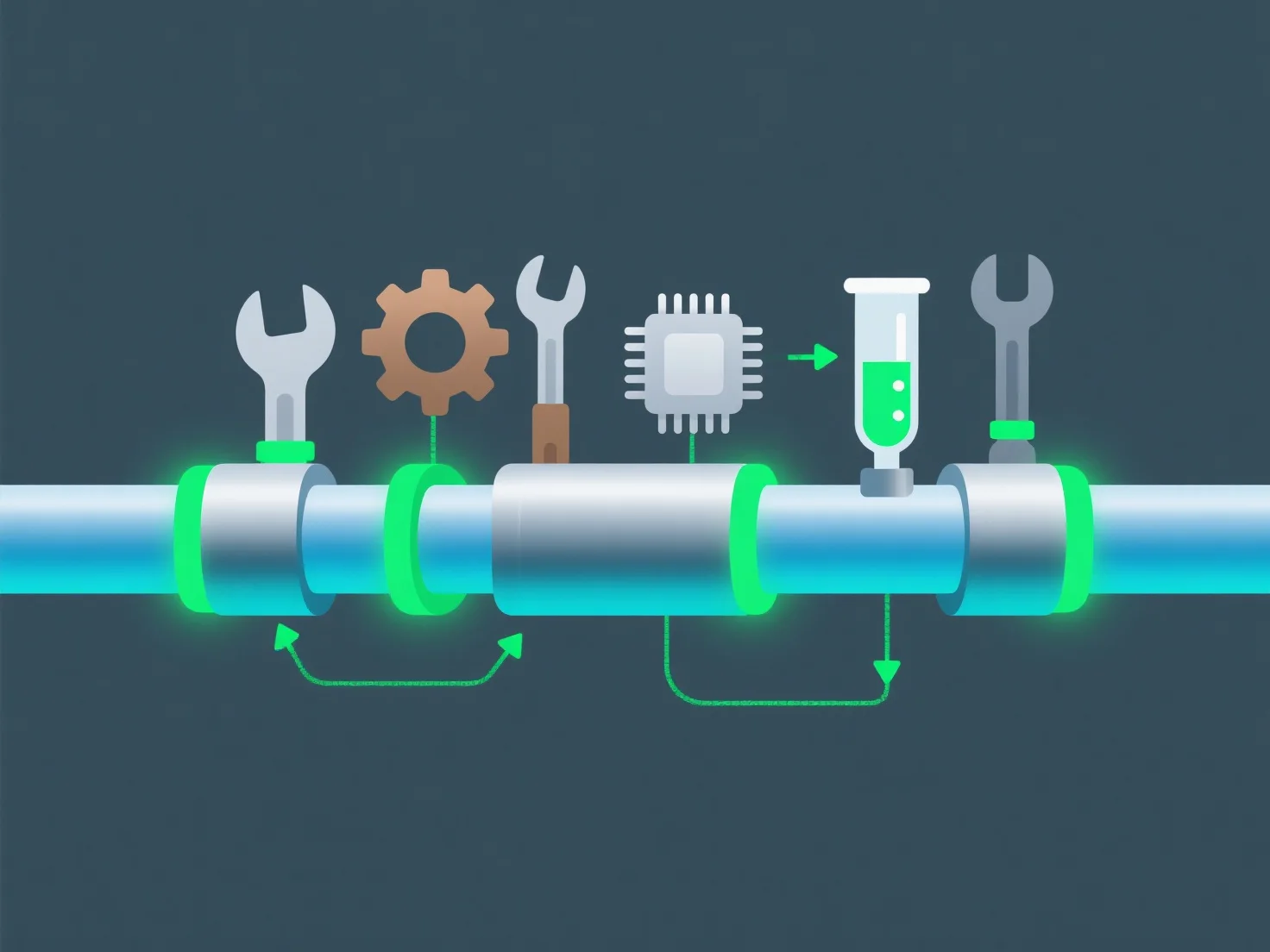
Standard pipelines improve cross-tool compatibility by unifying data formats, workflow protocols, and interface standards, enabling seamless data exchange and task execution between different tools.
- **Unified data formats**: Adopt consistent structures (e.g., FBX, USD) so tools like modeling, animation, and rendering software can read/write files without format errors. - **Shared workflow protocols**: Align task sequences (e.g., modeling → rigging → animation) to reduce tool-specific adjustments, ensuring smooth task handover. - **Standardized interfaces**: Use common APIs or plugins to bridge tools, allowing direct data transfer and collaborative task execution.
This minimizes manual intervention, cuts format conversion disruptions, and enhances cross-tool workflow efficiency.