


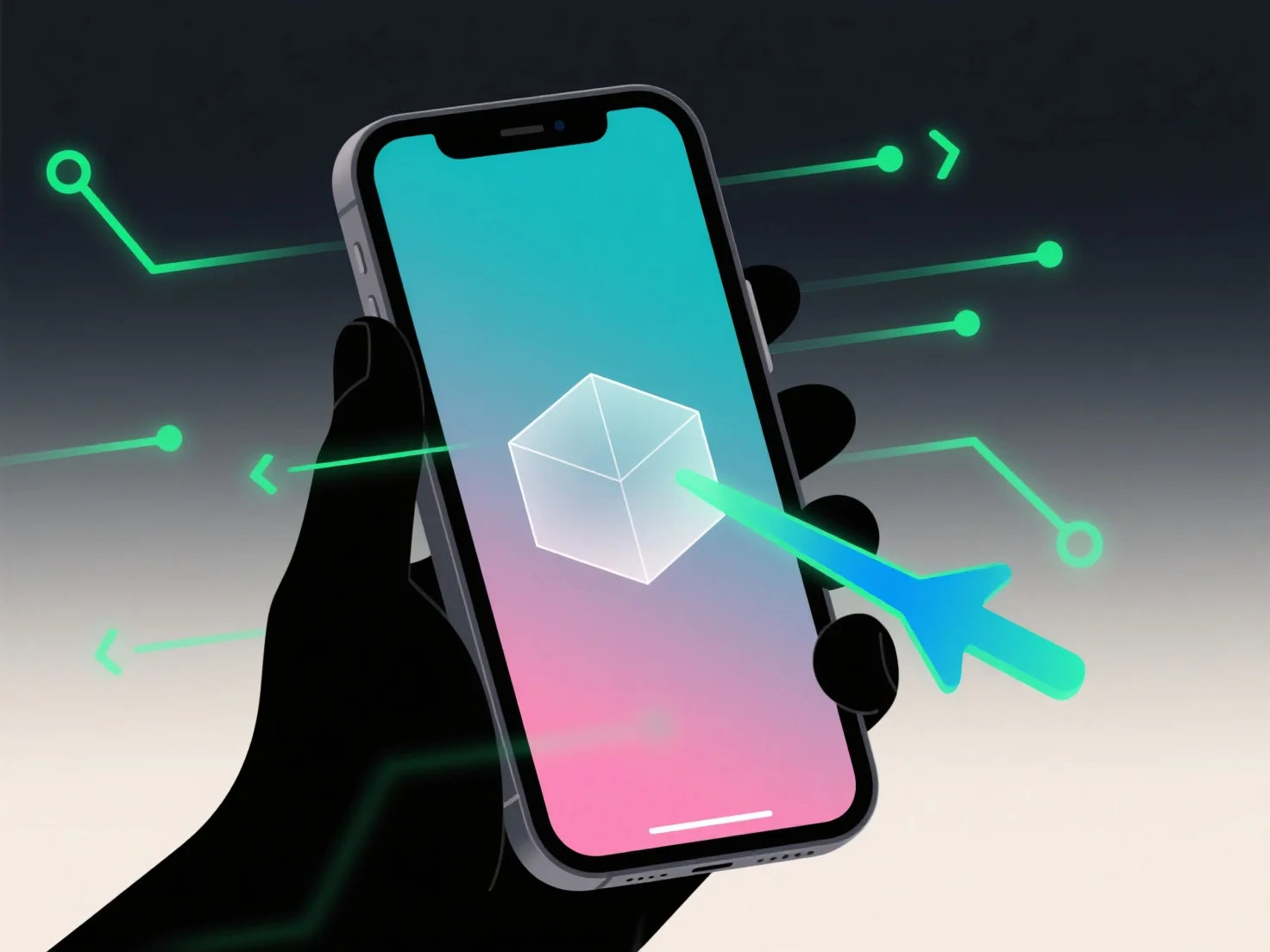
3D models are implemented in mobile applications by integrating optimized 3D assets into rendering engines or SDKs, ensuring compatibility with mobile hardware and performance.
Key steps include: - **Asset Preparation**: Convert models (created in tools like Blender or Maya) into mobile-optimized formats (e.g., glTF, USDZ) to reduce file size and improve loading speed. - **Engine/SDK Integration**: Use 3D engines (Unity, Unreal Engine) or lightweight libraries (Three.js for web-based apps) to handle rendering, animation, and user interaction on mobile devices. - **Performance Optimization**: Simplify model polygons, compress textures, and optimize shaders to lower memory usage and ensure smooth runtime performance on mobile hardware.
This approach balances visual quality with mobile device constraints, enabling seamless 3D model implementation.